
There’s a special magic in the first sip of a morning coffee. It feels like warmth spreading, grounding you before the day gets busy. For many, coffee is more than a caffeine kick; it’s a cherished ritual that connects us to now.
Looking to improve your home brewing? The Cappuccino di Laguna offers a refined experience. It turns your kitchen into a professional cafe. This drink balances bold espresso with a smooth texture that stays with you.
We’ll dive into the rich history and taste of this specialty drink. This will help you see its importance in today’s world. With this guide, you’ll learn to make the Cappuccino di Laguna at home. Let’s start this journey to your perfect cup, showing your love for quality coffee.
The Origins and Cultural Significance of Cappuccino di Laguna
Venice has been a key entry point for Italian coffee in Europe. It has shaped a unique coffee culture. The city’s history as a bridge between Eastern and Western tastes has led to special brewing methods. Understanding these roots helps you appreciate the art in every cup.
Understanding the Venetian Coffee Tradition
The story of Venice coffee is tied to the city’s past as a major maritime power. Merchants brought exotic beans from the East, starting the first public coffee houses. These places were key for socializing and sharing ideas.
This tradition is still important in Venetian cuisine today. Drinking coffee is seen as a ritual, not just a quick drink. It’s about quality, patience, and enjoying the moment, which is part of the local way of life.
What Makes This Specialty Beverage Unique
The Cappuccino di Laguna is a unique specialty beverage. It’s different from other espresso-based drinks. It combines the strong taste of dark roast with a smooth texture that’s hard to find elsewhere.
Several things make it special:
- Precision in extraction: The right grind size is key to bring out the flavors.
- Artisanal milk texturing: The foam is made to look like the soft waves of the lagoon.
- Cultural context: It’s served with care, showing the beauty of Venetian cuisine.
Learning these skills can make your coffee at home as good as a pro’s. This specialty beverage is more than a drink. It’s a way to honor the deep coffee culture in Italy.
Essential Equipment for Your Home Coffee Bar
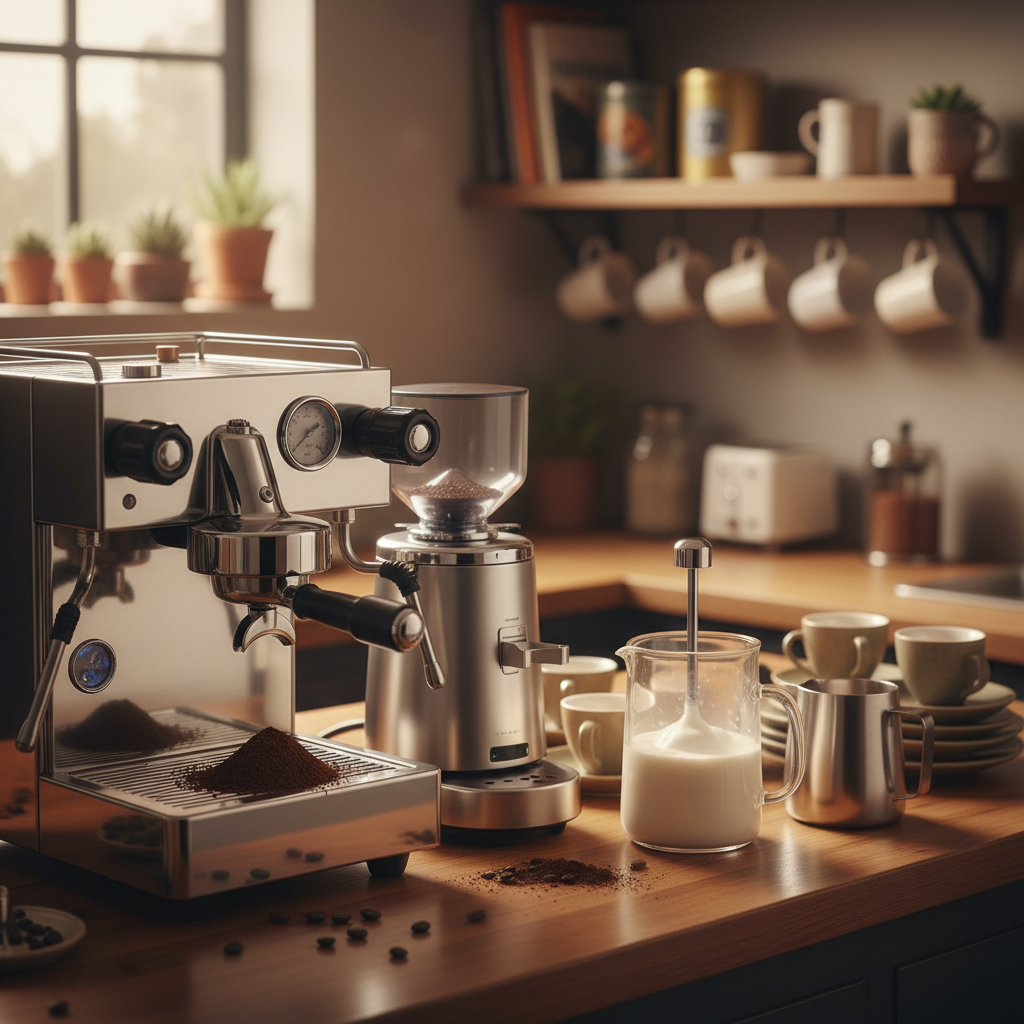
Starting your journey to make the perfect coffee drink begins with the right tools. A professional-grade setup lets you control every detail, ensuring each cup is perfect. Quality tools help you master complex brewing techniques.
Selecting the Right Espresso Machine
The espresso machine is the core of your setup. Look for one with stable temperature control and enough pressure for rich flavors. A machine with a dedicated boiler or a top-notch thermoblock system keeps your espresso just right every time.
Choosing the Best Coffee Grinder
A top-notch grinder is as crucial as the machine. It must grind beans consistently for balanced extraction. This prevents bitterness or sourness in your coffee. Caffe Luxxe offers 20% off 2lb bags and 10% off 12oz bags, helping you keep your beans fresh.
Tools for Perfect Milk Texturing
Creating silky foam for your specialty beverage needs the right tools. You’ll need a high-quality stainless steel steaming pitcher for optimal heat conduction and easy pouring. Mastering microfoam is key for any home barista aiming to improve their espresso game.
Sourcing Authentic Ingredients for the Perfect Cup

The secret to a top-notch specialty beverage is in the quality of your ingredients. Each ingredient builds the flavor of your drink. Choosing the best ingredients means your coffee will taste like it’s from a fancy cafe.
Selecting High-Quality Coffee Beans
Choosing the right beans is key for an authentic Italian drink. Look for beans roasted recently, within two to four weeks. These beans have the oils and sugars for a rich crema.
Don’t use pre-ground coffee. It loses its flavor fast. Instead, buy whole beans and grind them just before making your coffee. This keeps the coffee’s unique taste.
The Importance of Fresh Dairy or Plant-Based Alternatives
The foam’s texture comes from the milk’s protein and fat. Whether you use dairy or a plant-based option, it must be fresh. Remember, sales at places like Caffe Luxxe might not include certain items.
Keep your milk cold until you steam it. Cold milk steams better, creating a smooth, glossy foam. This is key for a great specialty beverage.
Water Quality and Its Impact on Flavor
Coffee is mostly water, so the water’s minerals affect the taste. Use filtered or bottled water to avoid bad tastes. Good water chemistry keeps your authentic Italian drink balanced and clean.
| Ingredient | Primary Impact | Quality Indicator |
|---|---|---|
| Coffee Beans | Flavor Profile | Recent Roast Date |
| Milk/Alternative | Texture & Body | High Protein Content |
| Water | Clarity & Balance | Filtered/Low Mineral |
Mastering the Espresso Base
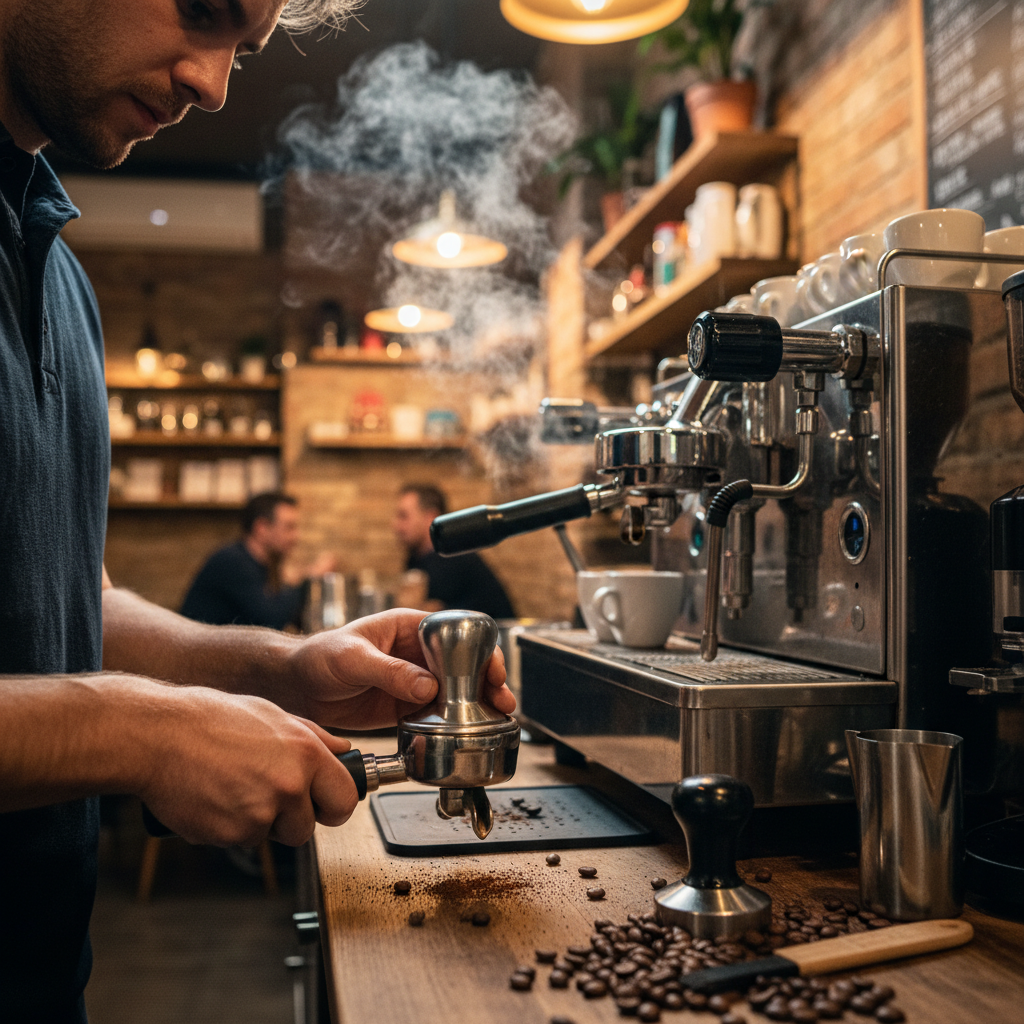
Creating an authentic Italian drink starts with attention to detail. You need to control grind size and dose weight for a balanced taste. Mastering these steps makes a solid base for any espresso drink.
Grinding and Dosing for Optimal Extraction
The first step to a perfect shot is the grind. Your coffee particles should be the same size for even water flow. This ensures a balanced extraction that brings out the best in your beans.
Measuring your coffee grounds is key. Use a digital scale for precision. A consistent dose is vital for a true authentic Italian drink.
Tamping Techniques for Consistent Pressure
After dosing, tamping is next. It ensures water meets resistance evenly. Apply firm, level pressure to avoid channeling, which can ruin the flavor.
Keep your wrist straight and use your body weight for a steady tamp. A flat surface is more important than the force used. Consistency is crucial for a professional espresso drink.
Identifying the Perfect Espresso Shot
A successful shot has a rich, hazelnut-colored crema and a vibrant aroma. The taste should be sweet and balanced, without harsh notes.
| Extraction Issue | Visual Cue | Taste Profile |
|---|---|---|
| Under-extracted | Pale, thin crema | Sour and salty |
| Over-extracted | Dark, bubbly crema | Bitter and dry |
| Perfect Shot | Golden-brown, thick | Sweet and balanced |
Preparing the Signature Venetian Foam
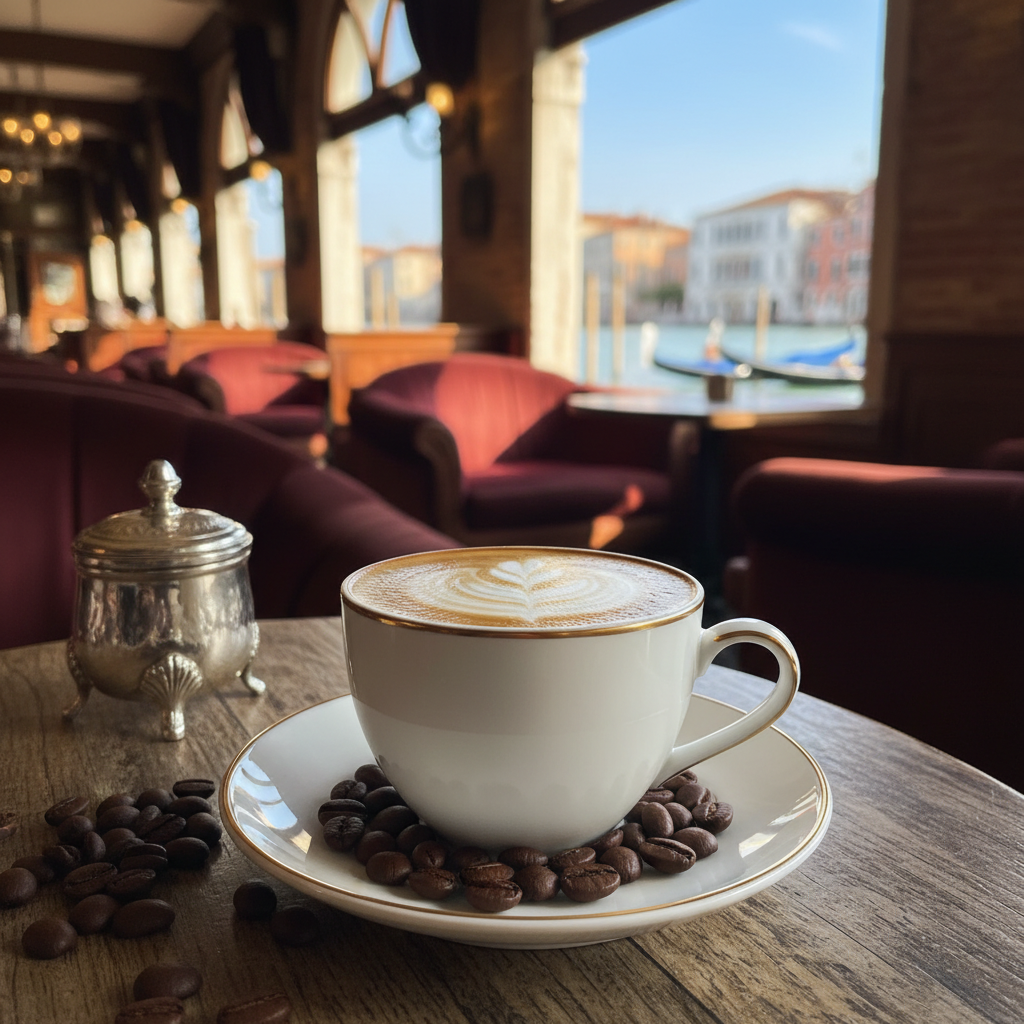
Learning to texture milk turns your coffee into a cafe-quality drink. The foam of a Venice coffee is silky and velvety. It coats your tongue with every sip. Getting this right takes patience and skill.
Temperature Control for Silky Microfoam
Steaming milk the right way is key. Keep the milk between 140°F and 150°F. This keeps the proteins and sugars balanced. If it gets too hot, the milk loses sweetness and becomes thin.
Techniques for Achieving the Laguna Texture
To get the Laguna texture, you need to steam the milk in two phases. First, add small amounts of air to create bubbles. Then, when the pitcher feels warm, start the “texturing” phase. This phase makes the foam smooth and glossy.
Working with different milks requires consistency. Here’s how various milks perform for perfect foam.
| Milk Type | Foam Stability | Flavor Profile |
|---|---|---|
| Whole Dairy | Excellent | Rich and Creamy |
| Oat Milk | High | Neutral and Sweet |
| Almond Milk | Moderate | Nutty and Light |
Pouring Methods to Create the Iconic Look
When your milk is ready, it’s time to pour. Hold your cup at an angle and pour slowly into the espresso. This creates the traditional recipe look of Venice coffee.
Finish with a steady hand for a smooth surface. A good pour makes your coffee look as good as it tastes. Practice to get it right every time.
Step-by-Step Guide to Crafting Cappuccino di Laguna
Making Venice coffee at home is a fun challenge for coffee lovers. By following a clear process, you can make sure every cup is perfect. This way, you keep your coffee consistent and professional.
Preparing Your Workspace and Equipment
First, make sure your workspace is clean and organized. A messy area can lead to mistakes and uneven coffee. Always warm up your espresso machine and cups to get the best flavor.
Make sure your portafilter is clean and ready. Have your beans, water, and milk close by. This helps you focus on making a great drink.
Executing the Extraction and Steaming Process
Start by grinding your beans just right for a strong espresso. Lock the portafilter and start your timer right away. This step is key to getting the flavors right.
While the espresso is brewing, start working on your milk. You want it smooth and creamy, like wet paint. This is what makes the drink special.
Assembling the Drink with Precision
To finish your Cappuccino di Laguna, slowly pour the milk over the espresso. Keep your hand steady to keep the crema intact. This is how you get the perfect mix of coffee and milk.
Here’s a table with the important times and temperatures for your coffee:
| Process Step | Target Time | Temperature | Key Goal |
|---|---|---|---|
| Espresso Extraction | 25-30 Seconds | 195°F – 205°F | Rich Crema |
| Milk Steaming | 15-20 Seconds | 140°F – 150°F | Microfoam |
| Final Assembly | 10-15 Seconds | Serving Temp | Visual Balance |
Refining Your Technique and Troubleshooting Common Issues
Even the most skilled home baristas face challenges in perfecting their craft. Whether you’re new or experienced, keeping up with coffee culture standards is crucial. By spotting small mistakes, you can make sure every espresso drink meets your standards.
Adjusting for Different Roast Profiles
Different coffee beans react differently to heat and pressure. Light roasts need a finer grind and slightly warmer water to bring out their acidity. Dark roasts, on the other hand, can taste bitter if the water is too hot or the contact time is too long.
Adjust your grind size until the flow rate feels right. If your shot pulls too quickly, make your grind tighter. This adjustment helps you stick to the traditional recipe and highlight your beans’ unique flavors.
Fixing Common Milk Texture Mistakes
Getting the perfect microfoam is often the hardest part. If your milk has big, soapy bubbles, you’re adding too much air. Keep the steam wand tip just below the surface to create a whirlpool effect.
Temperature control is key for a smooth finish. If the milk gets too hot, the proteins break down and the sweetness disappears. Always use a thermometer or your hand to check the heat, stopping before it gets too hot.
Enhancing the Presentation for a Professional Finish
A beautiful presentation makes your beverage stand out. Start by making sure your glassware is clean and spot-free. A steady hand during pouring helps create clean lines and contrast between the dark crema and white foam.
Don’t get discouraged if your first latte art attempts aren’t perfect. Practice is key in coffee culture. Even simple patterns add elegance. Focus on making high-quality foam first, as it’s the best base for your design.
| Issue | Potential Cause | Recommended Fix |
|---|---|---|
| Sour Espresso | Under-extraction | Use a finer grind |
| Bitter Espresso | Over-extraction | Use a coarser grind |
| Large Bubbles | Too much air | Submerge wand deeper |
| Thin Foam | Low temperature | Steam for longer duration |
Conclusion
Learning to make a perfect Cappuccino di Laguna turns your kitchen into a place of high-quality Italian coffee. This journey makes you appreciate the details of coffee culture worldwide. It also improves your skills.
You now know how to turn simple beans and milk into a true Italian drink. The secret to being great is to keep practicing your techniques. This will make your coffee better over time.
Make sure you have the right tools to make every cup perfect. Remember, online sales at places like Caffe Luxxe end on 5/25/26 at 11:59p PT. Buy your supplies before then to always have what you need.
Share your journey with others who love coffee. Your hard work makes brewing coffee a true art form.