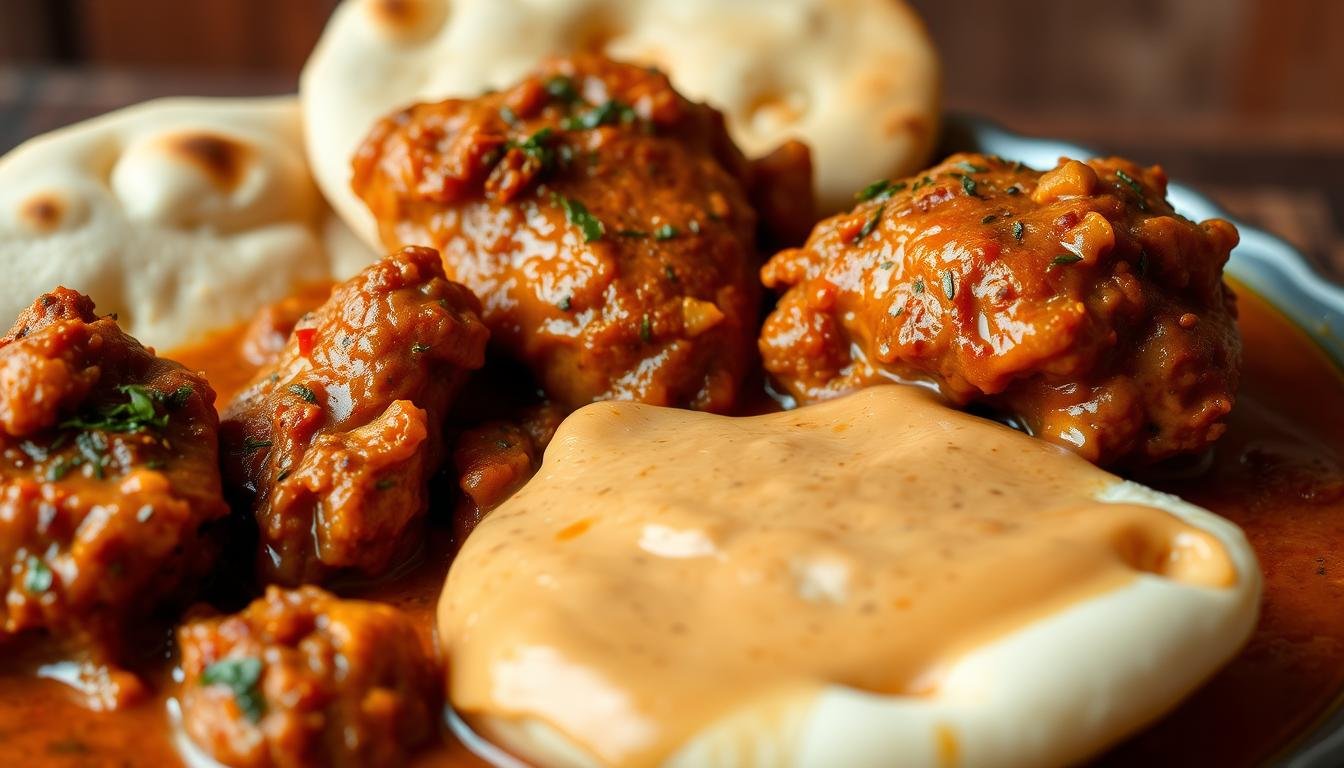
Remember that first bite of truly amazing butter chicken? The way the flavors danced on your tongue, creating a memory that stayed with you long after the meal ended? That’s the experience we want to recreate in your kitchen today.
Our unique take on this classic dish offers authentic flavor with less cream than traditional recipes. While butter chicken is often associated with heavy cream, our version focuses on developing deep, complex flavors through proper technique and patience.
This approachable recipe draws from traditional methods while adapting for modern kitchens. We’ll guide you through each step from marinating to the final smoking technique that creates that distinctive flavor profile.
You’ll discover how to balance richness and authenticity, creating restaurant-quality results worth the effort. This from-scratch recipe honors the origins of butter chicken while being completely accessible for home cooks.
Follow each step carefully for the best results with this less creamy but equally delicious version. You can adapt certain elements based on your preferences and available equipment.
What Makes This Smoky Butter Chicken Special
Many people think rich cream creates great flavor. Our approach proves otherwise. We focus on technique and tradition for amazing results.
Our Approach to Authentic Flavor
True flavor comes from careful spice blending and cooking methods. We build layers through marination, toasting spices, and slow simmering.
This creates complexity without heavy cream. Our method honors the dish’s origins at Moti Mahal restaurant in Delhi.
Kundan Lal Gujral created this dish to use leftover tandoori chicken. We follow this spirit of resourcefulness.
Why This Recipe Uses Less Cream
Traditional recipes often rely on heavy dairy for creaminess. We achieve similar richness through smarter techniques.
Cashews and proper emulsion create velvety texture. This reduces fat content while maintaining authentic taste.
You get restaurant-quality results with healthier ingredients. The cooking time and technique develop deep flavors naturally.
The Secret Smoking Technique
The signature smoky flavor comes from a traditional method. Heated charcoal with oil infuses the dish with authentic aroma.
Kasuri methi (dried fenugreek leaves) adds essential restaurant-style notes. We provide safety precautions for home kitchens.
This technique makes the dish special while remaining accessible. You’ll achieve professional results with careful guidance.
| Traditional Version | Our Version | Flavor Impact |
|---|---|---|
| Heavy cream base | Cashew emulsion | Rich without heaviness |
| Minimal smoking | Traditional charcoal method | Authentic smoky notes |
| Standard spice blend | Toasted garam masala | Deeper complexity |
| Quick simmer | Slow development | Full flavor integration |
These elements combine to create exceptional food. You get authentic taste with modern health considerations. The result honors tradition while fitting contemporary kitchens.
Gathering Your Ingredients
Quality components make all the difference in creating exceptional dishes. The right ingredients transform simple cooking into culinary artistry.
Each element serves a specific purpose in building flavor and texture. Thoughtful selection ensures authentic results worth the effort.
For the Chicken Marinade
Start with bone-in chicken thighs for maximum juiciness and flavor. Their higher fat content prevents drying during cooking.
Use hung curd or thick Greek yogurt as your tenderizing base. Fresh, sweet curd avoids sour notes in your final dish.
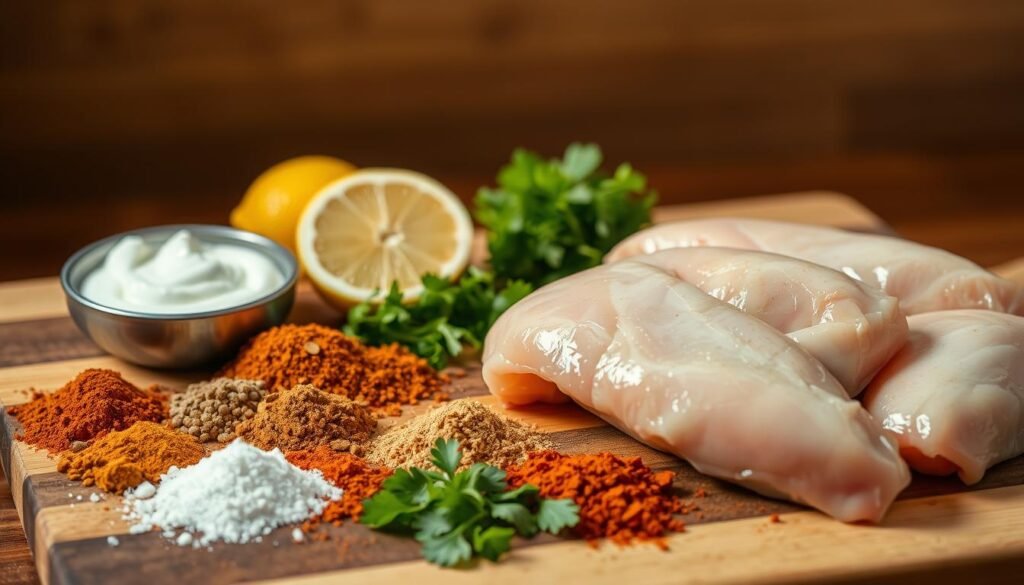
The marinade spice blend includes:
- Kashmiri chili powder for vibrant color without excessive heat
- Turmeric for earthy notes and golden hue
- Coriander and cumin for depth and warmth
- Fresh ginger and garlic paste for aromatic foundation
For the Special Spice Blend
Toasting whole spices unlocks their essential oils for maximum flavor. This step separates good results from great ones.
Your custom garam masala should include:
- Toasted cumin seeds for nutty undertones
- Coriander seeds for citrusy notes
- Black cardamom for smoky complexity
- Cinnamon and cloves for warm sweetness
Grind these spices fresh for the most vibrant flavor profile.
For the Rich Gravy Base
The foundation begins with slowly cooked onions until golden brown. This creates natural sweetness without added sugar.
Fresh tomatoes provide acidity and bright color. Soaked cashew nuts create natural creaminess when blended smooth.
Aromatic base includes:
- Finely minced ginger for sharp warmth
- Fresh garlic for pungent depth
- Pureed onions for sweet foundation
- Blended cashews for velvety texture
Essential Finishing Ingredients
Final touches elevate your dish from good to extraordinary. These elements add restaurant-quality polish.
Kasuri methi (dried fenugreek leaves) provides essential aromatic notes. Crush between your palms to release their fragrance.
Fresh cream added at the end prevents curdling and splitting. Use high-fat content for best results.
Quality butter enriches the sauce without overwhelming other flavors.
| Ingredient Category | Key Components | Purpose & Benefit |
|---|---|---|
| Marinade Base | Hung curd, spice powders | Tenderizes meat, builds flavor layers |
| Aromatic Foundation | Ginger, garlic, onions | Creates depth and complexity |
| Creaminess Agents | Cashew nuts, fresh cream | Provides velvety texture naturally |
| Signature Flavors | Kasuri methi, garam masala | Delivers authentic restaurant taste |
For additional marinade inspiration, explore this special marinade and spice technique that complements our approach.
Quality matters most with these ingredients. Fresh spices and proper techniques create unforgettable results.
Preparing Your Chicken Marinade
The foundation of exceptional flavor begins with proper preparation. Your marinade transforms simple poultry into something extraordinary through careful technique and patience.
This crucial step builds layers of taste that develop during cooking. Follow these guidelines for maximum flavor penetration and tender results.
Choosing the Right Chicken Pieces
Select bone-in thighs for the most flavorful results. Their higher fat content keeps meat juicy during cooking.
Bone-in pieces enhance your gravy with deeper flavor notes. You can use boneless thighs if preferred.
Ensure pieces are uniform in size for even cooking. This prevents some pieces from drying out while others finish.
Mixing the Marinade Components
Begin with fresh sweet curd whisked until smooth. This prevents sour notes in your final dish.
Create a vibrant spice paste using:
- Kashmiri chili powder for color without heat
- Fresh ginger and garlic for aromatic depth
- Toasted cumin and coriander for warmth
- A pinch of salt to help penetrate the meat
Mix thoroughly until you achieve a consistent texture. Your marinade should coat the back of a spoon.
Marinating Time and Techniques
Marinate your chicken for at least two hours for proper flavor development. Overnight refrigeration yields even better results.
Use an airtight container to prevent drying and odor transfer. Ensure each piece gets fully coated with your spice mixture.
Your marinated chicken should return to room temperature before cooking. This ensures proper searing and juice retention.
The special spice blend creates a lingering aftertaste that distinguishes this recipe. Don’t rush this crucial step.
| Marinating Time | Flavor Result | Preparation Tip |
|---|---|---|
| 2-4 hours | Good flavor penetration | Ideal for weeknight cooking |
| Overnight | Exceptional depth | Perfect for weekend meals |
| 30 minutes | Surface flavor only | Not recommended |
You can prepare the marinade a day in advance for convenience. Store it in your refrigerator in a sealed container.
Proper marinating makes the difference between good and extraordinary results. This patience rewards you with authentic flavor that shines through every bite.
Cooking the Perfect Butter Chicken Sauce
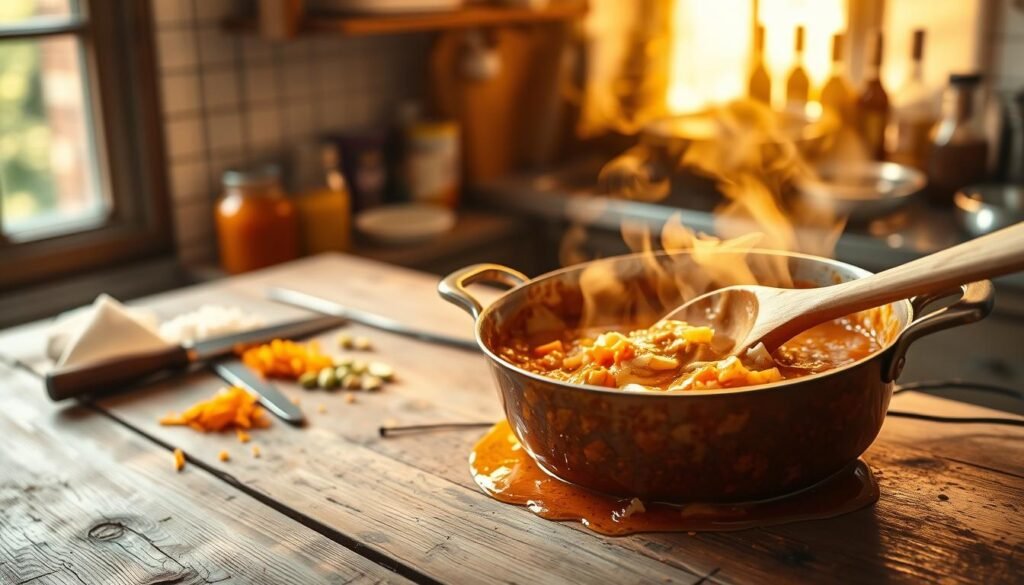
The magic happens when your ingredients transform into that velvety, rich gravy. This process builds layers of flavor through careful technique and patience.
Your sauce becomes the heart of the dish, carrying all the complex spices and aromatics. Follow these steps for that authentic restaurant-quality consistency.
Preparing Your Aromatics and Spices
Start by toasting whole spices in a dry pan over medium heat. This releases their essential oils for maximum flavor impact.
Your custom masala blend should include cumin, coriander, and black cardamom. Watch carefully to prevent burning during this crucial step.
Finely mince fresh ginger and garlic for your aromatic base. These ingredients form the foundation of your flavor profile.
Creating the Tomato-Cashew Base
Blanch fresh tomatoes briefly in boiling water to loosen their skins. This helps achieve the perfect smooth texture in your final gravy.
Cook onions slowly until their liquid completely evaporates. This creates natural sweetness without added sugar.
Soak raw cashews in warm water for thirty minutes before blending. They will create a creamy paste that thickens your sauce naturally.
Simmering and Blending Techniques
Combine all components in your pan and simmer for 20-25 minutes. This develops the deep orange color and rich flavor characteristic of authentic dishes.
Allow the mixture to cool completely before transferring to a blender. This ensures safety and prevents steam pressure buildup.
Blend in batches if necessary to achieve restaurant-style smoothness. Your final consistency should coat the back of a spoon perfectly.
Proper heat management prevents burning during the simmering process. Stir occasionally and adjust temperature as needed.
Add cream at the very end to prevent curdling and splitting. This preserves the velvety texture of your finished product.
| Component | Preparation Technique | Flavor Impact |
|---|---|---|
| Whole Spices | Dry toasting in pan | Releases essential oils |
| Fresh Tomatoes | Blanching and peeling | Smooth texture |
| Onions | Slow cooking until dry | Natural sweetness |
| Cashew Paste | Soaking and blending | Natural thickening |
| Simmering Time | 20-25 minutes | Deep color development |
Your finished sauce can be stored in the refrigerator for three days. It also freezes beautifully for future meals.
Adjust consistency with water or cream based on your preference. The versatility makes this recipe perfect for various occasions.
This method reduces cream while maintaining luxurious texture. You achieve authentic results through technique rather than heavy ingredients.
Combining and Cooking Your Dish
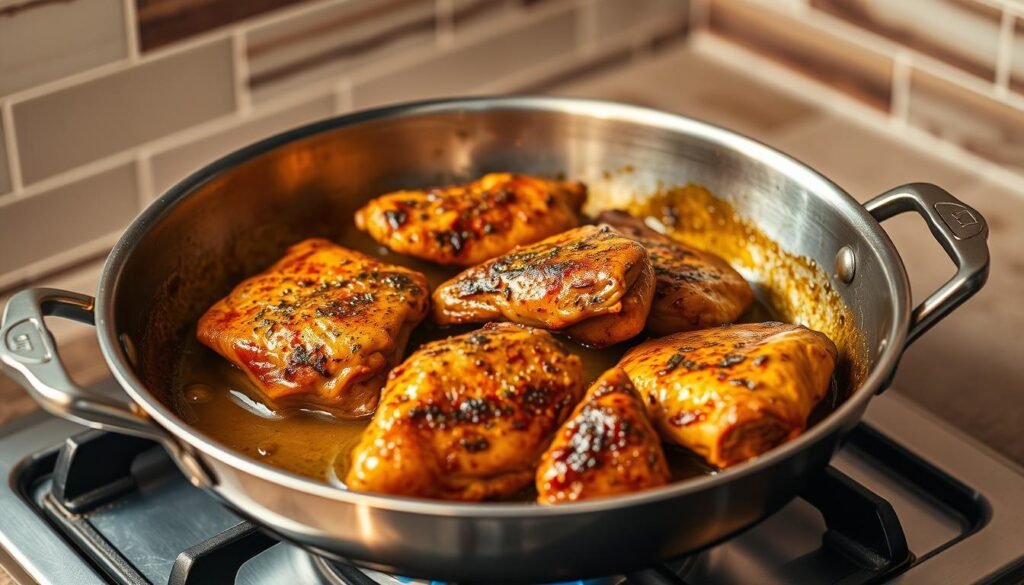
Careful assembly techniques separate good home cooking from restaurant-quality results. This stage brings together your marinated poultry and prepared sauce for the final transformation.
Follow these steps precisely to achieve that perfect balance of flavors and textures. Your patience during preparation pays off during this cooking phase.
Searing the Marinated Chicken
Heat a tablespoon of oil in a heavy-bottomed pan over medium-high heat. Work in batches to avoid overcrowding the cooking surface.
Place each piece carefully in the hot pan, leaving space between them. This prevents steaming and ensures proper browning on all sides.
Cook for approximately 3-4 minutes per side until golden brown. The poultry should be about halfway cooked before moving to the next step.
Partial cooking at this stage ensures your meat stays juicy in the final dish. Overcooking now would result in dry, tough texture later.
Incorporating Chicken into the Gravy
Transfer all seared pieces to a clean plate, making sure to collect every drop of pan juices. These flavorful drippings add incredible depth to your sauce.
Pour the reserved pan juices into your prepared gravy base. Stir gently to incorporate these rich flavors throughout the sauce.
Now add chicken pieces back into the simmering gravy, arranging them evenly. Ensure each piece gets fully submerged in the liquid.
Using an air fryer provides an excellent alternative for partial cooking. Set it to 375°F for 8-10 minutes for similar results.
Final Simmering and Cream Addition
Reduce the heat to low and cover your pan. Allow the dish to simmer gently for 10-12 minutes.
This final cooking time allows flavors to meld together beautifully. The poultry finishes cooking while absorbing the sauce’s complex spices.
Check for doneness by inserting a thermometer into the thickest piece. It should register 165°F when fully cooked.
Remove the pan from heat completely before adding your cream. Stir gently to incorporate without breaking the tender pieces.
Adjust simmering time based on piece size. Larger cuts may need additional 3-5 minutes to cook through properly.
| Cooking Stage | Key Technique | Result & Benefit |
|---|---|---|
| Searing | Batch cooking in hot oil | Golden crust, sealed juices |
| Pan Juice Retention | Collecting all drippings | Enhanced sauce flavor |
| Partial Cooking | 50% doneness before sauce | Prevents overcooking |
| Final Simmer | 10-12 minutes covered | Flavor integration |
| Cream Addition | Off-heat incorporation | Prevents curdling |
Gentle handling preserves the integrity of your tender poultry pieces. Stir carefully using a folding motion rather than vigorous mixing.
The final result should feature perfectly cooked meat in a velvety, richly flavored sauce. Your careful technique ensures restaurant-quality results every time.
The Traditional Smoking Method
That unforgettable campfire-like scent comes from a traditional technique anyone can master. This final step elevates your creation from delicious to extraordinary with authentic aromatic character.
The process might seem intimidating at first glance. With proper guidance and safety measures, you’ll achieve professional results right in your kitchen.
Preparing the Charcoal for Smoking
Begin with natural charcoal pieces, not briquettes with added chemicals. Use tongs to handle them safely throughout the process.
Heat your charcoal on an open flame or gas burner until glowing red. This usually takes about 5-7 minutes depending on your heat source.
The pieces should show no black spots when properly heated. Incomplete heating won’t produce sufficient smoke for flavor infusion.
Proper Smoking Technique
Place your fully cooked preparation in a wide, heavy-bottomed vessel. Create a small well in the center using a steel bowl or cup.
Carefully transfer the red-hot charcoal into your heat-safe container. Immediately pour a teaspoon of vegetable oil over the hot surface.
Cover the entire dish tightly with a lid to trap the aromatic smoke. Allow the infusion process to continue for exactly 3-4 minutes.
This brief period provides perfect flavor without overwhelming other notes. The smoke should penetrate every component evenly.
Safety Precautions
Always work on heat-resistant surfaces away from flammable materials. Keep children and pets away during this smoking process.
Use oven mitts when handling hot containers and charcoal. Ensure proper ventilation in your cooking area.
Never reuse charcoal or oil from the smoking process. Dispose of them properly after cooling completely.
If using an alternative method, smoked paprika adds similar notes. Use one tablespoon stirred in at the final cooking stage.
| Traditional Method | Alternative Approach | Flavor Result |
|---|---|---|
| Red-hot charcoal | Smoked paprika | Authentic wood smoke |
| Steel container | Direct seasoning | Subtle smoky notes |
| 3-4 minutes covered | Stirred into sauce | Quick flavor addition |
| Vegetable oil | No additional equipment | Accessible method |
This technique completes your smoky butter chicken with authentic restaurant character. The careful process ensures safety while delivering incredible results.
Your final creation will feature that distinctive aroma that makes this dish so memorable. The subtle smoke complements rather than overwhelms the complex spices.
Remember that patience and attention to detail create the best outcomes. This traditional method connects you to generations of culinary artistry.
Serving and Pairing Suggestions
The perfect accompaniments transform your main dish into a complete dining experience. Your thoughtful pairings balance flavors and textures for memorable meals.
Consider how each component interacts with the rich sauce and tender poultry. The right choices enhance rather than compete with your carefully prepared creation.
Traditional Indian Bread Options
Freshly baked naan provides the ideal vehicle for scooping up every drop of sauce. Its soft texture and slight chewiness complement the velvety gravy perfectly.
Roti offers a healthier alternative with whole wheat goodness. This flatbread has less fat while still absorbing flavors beautifully.
Paratha brings flaky, layered richness to your meal. Its buttery layers make it particularly satisfying with this dish.
Each bread choice creates a different dining experience. Naan adds indulgence while roti keeps things lighter.
Rice Pairings and Preparations
Steamed basmati rice provides a neutral canvas that lets the sauce shine. Its long grains remain separate and fluffy when properly cooked.
Jeera rice introduces warm cumin notes that enhance the spice profile. Toast whole cumin seeds in ghee before adding your rice and water.
The generous sauce quantity ensures plenty for coating every grain. Leftover sauce makes tomorrow’s lunch extraordinary.
Side Dishes to Complete Your Meal
A simple cucumber salad cuts through the richness with refreshing crunch. Thinly sliced cucumbers with lemon juice and mint work wonders.
Raita (yogurt sauce) provides cooling contrast to the warm spices. Add grated cucumber or boondi for texture variation.
Dal tadka or paneer dishes create a traditional Indian feast. These protein-rich sides make the meal more substantial.
Fresh cilantro sprinkled over the top adds color and freshness. This herb brightens the rich flavors beautifully.
For beverage pairings, consider mango lassi or sweet chai. These drinks complement the spices without overwhelming your palate.
Presentation matters for special occasions. Serve in copper bowls with garnishes arranged artistically.
Leftovers become amazing wraps with homemade parathas. The flavors often improve overnight.
| Accompaniment | Preparation Style | Flavor Contribution |
|---|---|---|
| Naan Bread | Freshly baked | Buttery richness |
| Jeera Rice | Cumin-infused | Warm spice notes |
| Cucumber Salad | Fresh and crunchy | Refreshing contrast |
| Cilantro Garnish | Freshly chopped | Bright freshness |
Your complete meal should balance richness with lighter elements. This creates a satisfying yet not overwhelming dining experience.
The right combinations turn your cooking into a celebration of flavors. Every element should complement rather than compete.
Conclusion
This recipe delivers authentic restaurant flavor with less cream than traditional versions. Proper techniques create rich, satisfying results worth every minute.
Your final dish balances natural sweetness from tomatoes with warm spices. The signature smoky aroma completes this memorable meal.
This versatile version works beautifully for weeknights or special gatherings. The sauce freezes well for future quick meals.
Try the recipe as written first to appreciate its balanced profile. Then feel free to experiment with proteins or spice levels.
Share your cooking journey and results with fellow food lovers. Enjoy creating restaurant-quality meals in your own kitchen!
FAQ
Can I use chicken breasts instead of thighs?
Yes, you can! Chicken thighs are recommended because they stay juicier during cooking, but breasts work too. Just be careful not to overcook them to keep them tender.
What if I don’t have kasuri methi?
Kasuri methi (dried fenugreek leaves) adds a signature flavor, but if you don’t have it, you can leave it out. The dish will still be delicious, though it might miss that authentic restaurant-style note.
Do I really need to marinate the chicken for a full hour?
Marinating for at least 30 minutes is key for flavor, but an hour is ideal. If you’re short on time, even 20 minutes will help, though the longer it sits, the more flavorful your chicken will be.
How can I make this dish if I don’t have a charcoal setup for smoking?
No worries! You can achieve a smoky flavor using liquid smoke (a drop or two) or by smoking with a piece of hot charcoal placed in a small metal bowl right in your pan. Just remember safety first!
Is there a way to make this recipe dairy-free?
Absolutely! You can substitute the butter with a plant-based alternative and use coconut cream or a cashew cream instead of heavy cream. The flavor profile will change slightly, but it will still be rich and satisfying.
Can I make the sauce ahead of time?
Yes, the sauce can be made a day or two in advance and stored in an airtight container in the refrigerator. Reheat it gently before adding your cooked chicken.
What’s the best way to serve this dish?
This dish is fantastic served hot over a bed of basmati rice or with warm, fluffy naan bread. A side of cucumber salad or pickled onions can add a fresh, crunchy contrast.