Remember that magical evening when you first tasted authentic Moroccan cuisine? The warm spices, tender meat, and complex flavors that transported you to a Marrakech marketplace? I do – and I’ve been chasing that culinary high ever since.
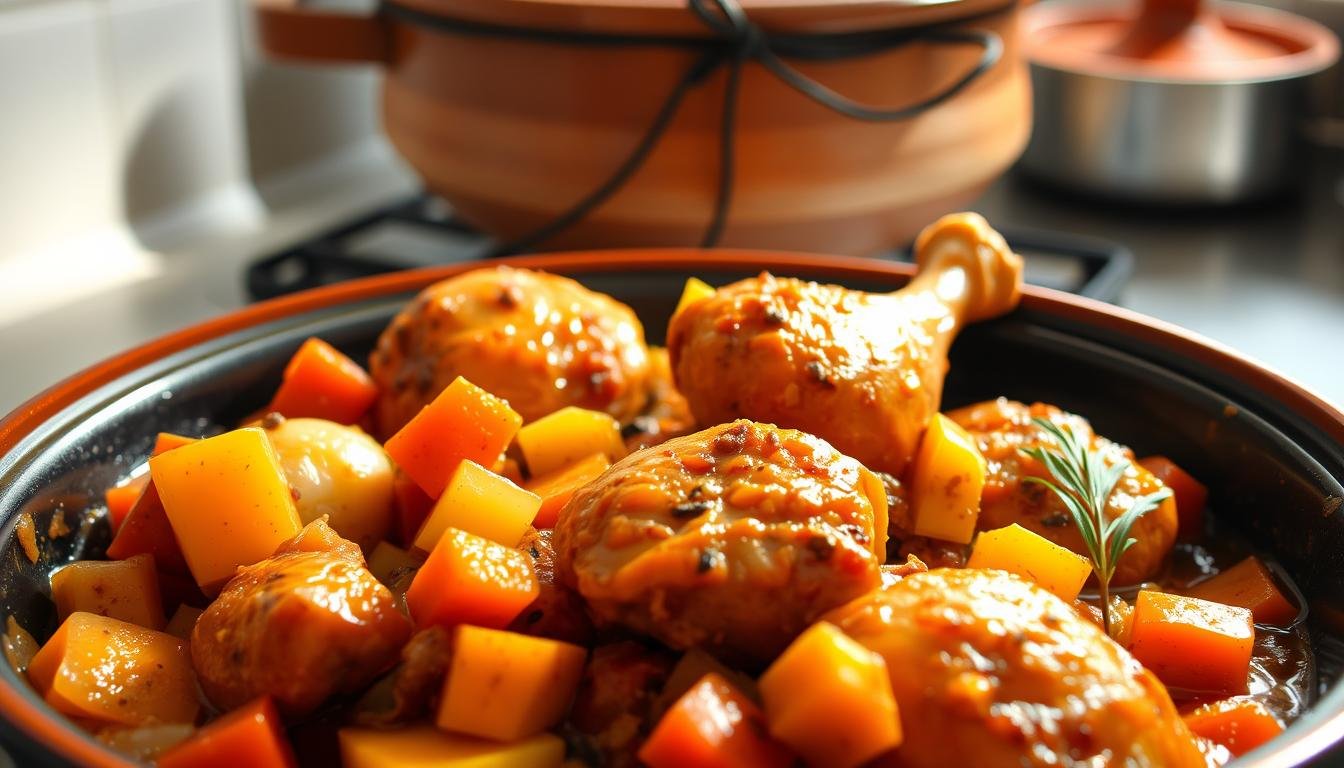
What if I told you that incredible experience could be yours on a busy Tuesday night? This traditional North African dish combines succulent poultry with olives, preserved lemons, and aromatic spices. The pressure cooker method makes it accessible while maintaining those authentic flavors you crave.
You don’t need special equipment – your standard pressure cooker works perfectly. In just minutes, you’ll develop deep, complex tastes that usually take hours. Bone-in, skin-on thighs ensure maximum tenderness and richness.
This company-worthy meal becomes weeknight-easy. Serve it over fluffy couscous for that truly authentic experience. Your journey to Moroccan mastery begins right here.
Why You’ll Love This Pressure Cooker Chicken Tagine
What if you could achieve deep, complex flavors typically requiring hours of simmering in just a fraction of the time? This method transforms traditional cooking into something truly magical for modern kitchens.
Authentic Flavor in Half the Time
The sealed environment works wonders with spices and aromatics. It captures and intensifies every note that usually develops through slow cooking.
Your cooking time shrinks from hours to mere minutes. Yet the authentic taste remains completely intact. The pressurized heat creates an incredible infusion of flavors.
This environment prevents any flavor loss during the process. It concentrates the spices beautifully without needing constant attention.
Perfect for Busy Weeknights
This approach fits seamlessly into hectic schedules. You get homemade quality without spending hours in the kitchen.
The method requires significantly less monitoring than traditional stovetop preparation. Just set it and focus on other tasks while it works its magic.
Your poultry becomes incredibly tender, practically falling off the bone. The pressurized cooking also helps preserve more nutrients compared to other methods.
It’s remarkably energy-efficient too. The device creates its own cooking liquid, reducing the need for extra broth or water.
You’ll appreciate how this technique makes gourmet results accessible any night. It turns what was once a special occasion dish into an easy weeknight favorite.
Essential Ingredients for Your Chicken Tagine

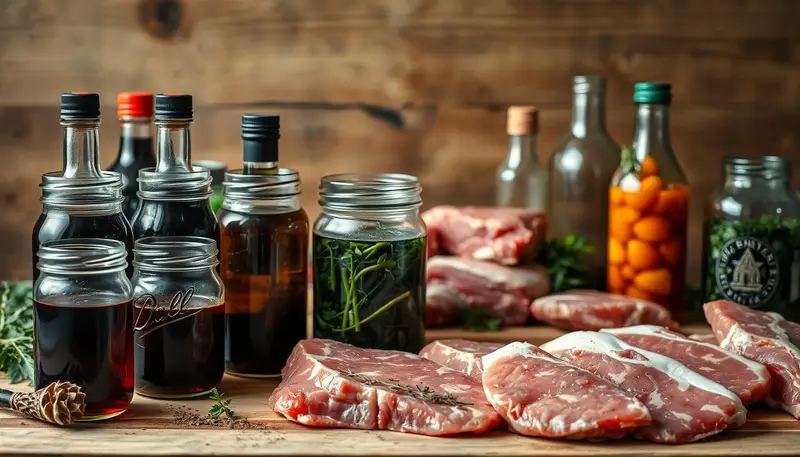
Gathering the right components makes all the difference between a good meal and an unforgettable experience. Each element plays a specific role in creating that authentic North African flavor profile you’re seeking.
Quality matters here. Fresh, well-chosen ingredients transform this dish into something truly special. Let’s explore what makes each component essential.
The Chicken: Why Thighs Work Best
Bone-in, skin-on chicken thighs deliver superior results for this preparation. The bones and skin contribute rich flavor to the sauce during cooking.
These cuts remain incredibly juicy under pressure. They withstand the cooking process better than leaner options. The fat content in thighs ensures moist, tender results every time.
You’ll appreciate how they don’t dry out even if cooked slightly longer. This forgiveness makes them perfect for pressure cooking methods.
Key Spices and Flavor Enhancers
The spice blend creates the soul of this dish. Traditional combinations include paprika, cumin, and cayenne for warmth and depth.
Ground ginger and coriander add aromatic complexity. A touch of cinnamon provides subtle sweetness that balances other flavors.
Don’t forget garlic and onion – they form the essential flavor foundation. Freshly ground pepper and quality salt enhance all these elements perfectly.
Olives and Lemon: The Traditional Touches
Preserved lemon offers that authentic tangy brightness unique to Moroccan cuisine. If unavailable, fresh lemon zest and juice work well as alternatives.
Quality olives make a significant difference. Greek cracked green olives provide the perfect briny counterpoint to rich spices.
These elements create the characteristic sweet-sour balance that defines this beloved dish.
| Ingredient | Purpose | Best Quality Indicators |
|---|---|---|
| Chicken Thighs | Provides richness and stays moist | Bone-in, skin-on, fresh appearance |
| Spice Blend | Creates authentic flavor profile | Freshly ground, vibrant colors |
| Preserved Lemon | Adds traditional tangy flavor | Firm texture, bright yellow color |
| Green Olives | Provides briny contrast | Greek variety, firm but not hard |
| Chicken Stock | Builds sauce depth | Low sodium, rich flavor |
| Olive Oil | Foundation for cooking | Extra virgin, first cold press |
Additional elements like chicken stock instead of water deepen the sauce’s flavor. A sprinkle of flour helps thicken the sauce naturally during cooking.
Some traditional versions include dried apricots for subtle sweetness. Fresh cilantro added at the end provides bright herbal notes.
Remember – quality oil, proper salt, and fresh pepper elevate all these components. Your attention to these details ensures spectacular results.
Preparing Your Ingredients

Proper preparation transforms good cooking into great results. Taking time with your ingredients ensures everything comes together perfectly.
Organization makes the cooking process smooth and enjoyable. You’ll appreciate having everything ready before you start cooking.
Prepping the Chicken
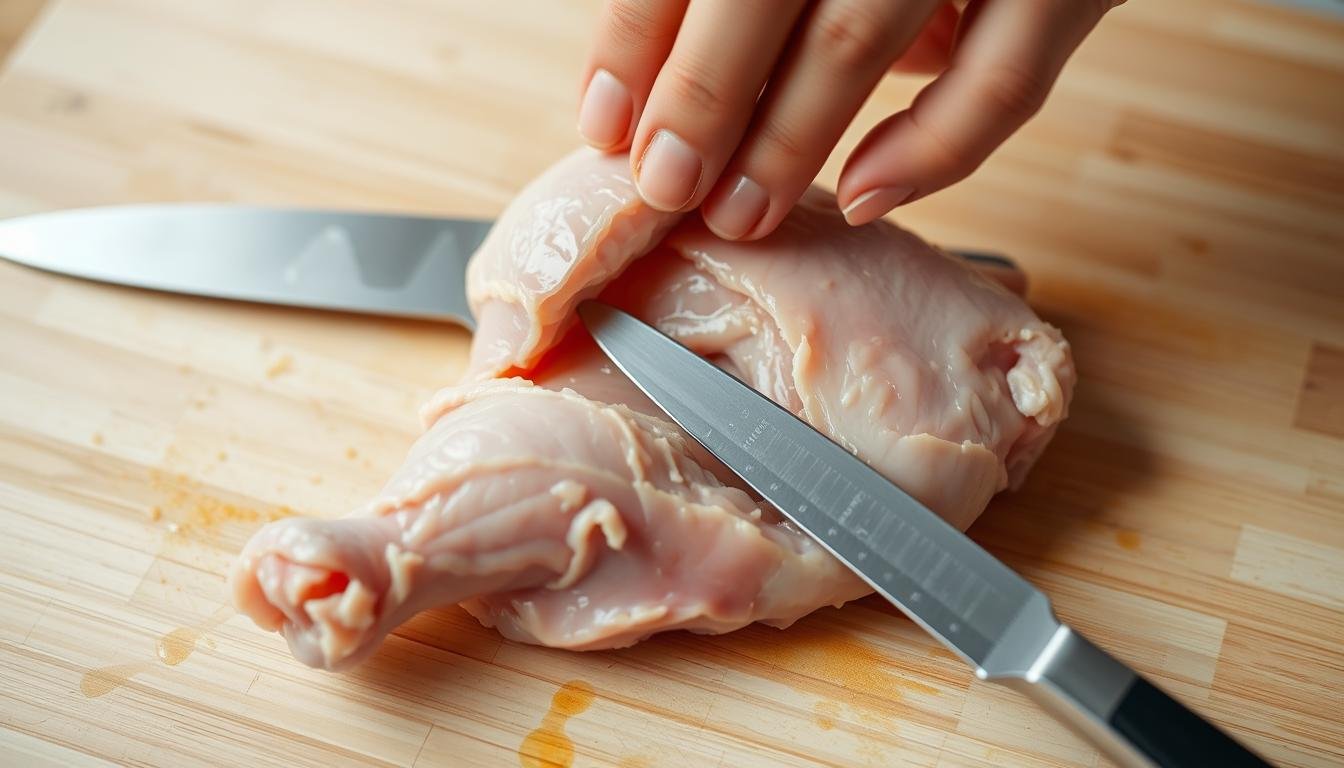
Begin by trimming excess skin and fat from your poultry pieces. This prevents greasiness while keeping enough for flavor.
Season both sides generously with two teaspoons of salt and half a teaspoon of pepper. This step creates a flavorful foundation for browning.
The skin helps develop beautiful color and texture during cooking. You’ll remove it later to control the final fat content.
Browning creates that deep, rich flavor base. The rendered fat becomes cooking oil for your aromatics.
Measuring and Combining Spices
Combine your spices in a small bowl before starting. This ensures even distribution throughout the dish.
Use freshly ground varieties for the most vibrant flavors. Measure carefully for perfect balance.
Traditional blends include paprika, cumin, and ground ginger. A pinch of cayenne adds gentle warmth.
Having your spices ready prevents last-minute measuring. This keeps the cooking flow smooth and organized.
Preparing Olives and Lemon
If using whole green olives, pit them carefully. Halve each one for even distribution in the final dish.
Zest your lemon first before juicing. Combine one teaspoon of zest with minced garlic for later use.
The lemon juice adds bright acidity to balance rich flavors. Freshly squeezed makes a noticeable difference.
Slice your onion into uniform pieces for even cooking. Thin slices melt beautifully into the sauce.
Mince garlic finely to distribute its flavor throughout. These aromatic ingredients form the flavor foundation.
Measure your chicken stock and have it ready. Preparing everything ahead makes the actual cooking process effortless.
Cooking Your Chicken Tagine in the Pressure Cooker
Now comes the exciting part where all your preparation transforms into something truly spectacular. The pressure cooker method creates magic by intensifying flavors while saving precious time.
Browning the Chicken
Heat two tablespoons of oil in your pressure cooker pan over medium-high heat. Wait until it shimmers slightly.
Place your seasoned poultry pieces skin-side down in a single layer. This creates that beautiful golden crust through the Maillard reaction.
Cook for about five minutes without moving them. You’ll see that deep color developing perfectly.
Flip each piece and cook for another four minutes. The rendered fat adds incredible flavor to your sauce.
Remove the browned pieces and set aside. Pour off excess fat, leaving just one tablespoon in the pan.
Building Layers of Flavor
Reduce the heat to medium and add your sliced onions. Cook until they soften and turn translucent.
Add minced garlic and cook for thirty seconds until fragrant. The aroma will tell you it’s working perfectly.
Now add your pre-measured spices – including ground ginger and black pepper. Toast them for thirty seconds to release their essential oils.
Stir in one tablespoon of flour to help thicken your sauce. Cook for another thirty seconds while stirring constantly.
Pour in two cups of chicken stock, one teaspoon of honey, and two teaspoons of lemon juice. Scrape up all those delicious browned bits from the pan.
Pressure Cooking to Perfection
Return your browned poultry to the pan with any accumulated juices. Make sure the liquid covers about halfway up the pieces.
Secure the lid properly and set your pressure cooker to high pressure. The cooking time should be about fifteen minutes.
Once the time is complete, allow natural pressure release for ten minutes. This gradual process ensures maximum tenderness.
After natural release, carefully perform a quick release for any remaining pressure. Always point the steam vent away from yourself.
Check that your poultry reaches 165°F internally. The pressurized environment infuses every bite with those wonderful spices.
Your sauce will have reduced and concentrated beautifully. The high heat and pressure create an incredibly flavorful result.
Serving and Pairing Suggestions
The final presentation transforms your cooking into a memorable dining experience. Thoughtful serving choices enhance both flavor and enjoyment.
Consider your guests’ preferences and the occasion. Simple adjustments make this dish suitable for casual dinners or special gatherings.
Traditional Couscous Preparation
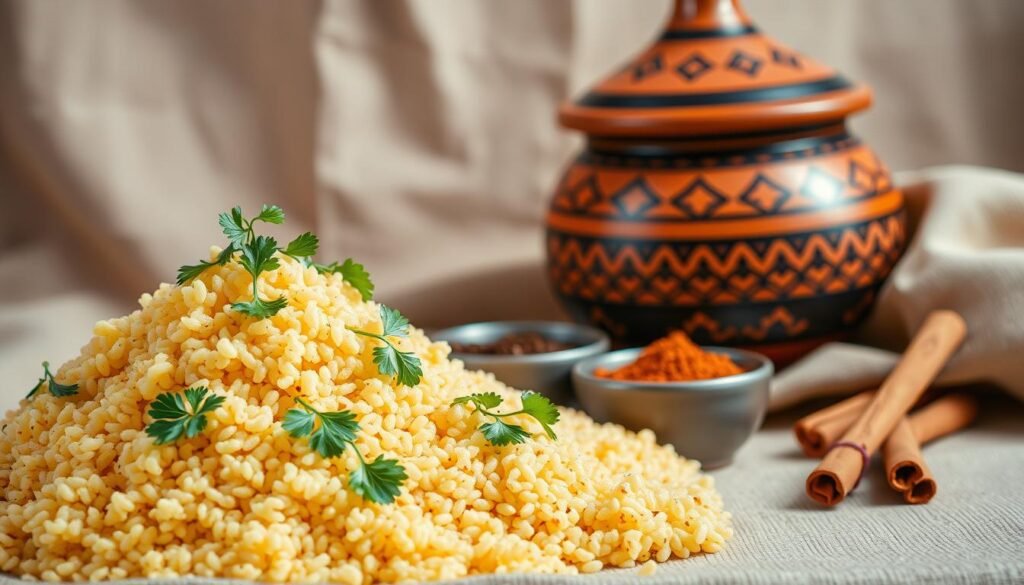
Fluffy couscous provides the perfect base for soaking up flavorful sauce. This classic pairing creates an authentic North African meal.
Prepare one cup of dry couscous according to package directions. Fluff with a fork after steaming for light, separate grains.
Stir in a teaspoon of olive oil to prevent sticking. Season lightly with salt to complement the main dish.
For extra flavor, use chicken stock instead of water when cooking. Add toasted almonds or dried apricots for texture and sweetness.
Alternative Serving Options
Not everyone keeps couscous in their pantry. Several other options work beautifully with this flavorful stew.
Try these alternatives:
- Fluffy white or brown rice absorbs sauce perfectly
- Quinoa offers a protein-packed, gluten-free option
- Crusty bread is ideal for soaking up every last drop
- Bulgur wheat provides a nutty, chewy alternative
- Roasted potatoes make a hearty, comforting base
Each option brings its own unique texture and flavor profile. Choose based on your preferences and available ingredients.
Make-Ahead Tips and Storage
This dish actually improves when made ahead. The flavors meld and deepen overnight in the refrigerator.
Prepare components up to two days in advance. Store the stew and couscous separately in airtight containers.
Proper storage maintains quality and food safety. Follow these guidelines for best results:
- Cool completely before refrigerating (within two hours)
- Store in shallow containers for quick cooling
- Label with date – keeps for 3-4 days refrigerated
- Freeze for up to 3 months in freezer-safe containers
- Leave space for expansion when freezing
Reheat gently on the stove over medium-low heat. Add a splash of chicken stock if the sauce seems too thick.
For frozen portions, thaw overnight in the refrigerator. Reheat slowly to preserve texture and flavor.
Garnish with fresh herbs and olives just before serving. This keeps everything looking and tasting fresh.
Conclusion
Your journey to mastering authentic Moroccan flavors doesn’t end here. This pressure cooker method delivers incredible results in minutes, not hours. You get deep, complex tastes with minimal effort.
The technique makes traditional cooking accessible for busy schedules. It works perfectly for both quick dinners and special occasions. Your kitchen becomes a gateway to North African cuisine.
Feel free to experiment with spices and ingredients once you master the basics. Share your creations and questions below!
Remember the key factors: proper browning, balanced spices, and correct cooking time. These ensure your dish turns out perfectly every time.
Now go make this wonderful meal your own. Happy cooking!
FAQ
Can I use chicken breasts instead of thighs?
You can, but thighs really work best here. They stay juicy and tender during pressure cooking, while breasts might dry out. If you do swap, reduce your cooking time by a few minutes to prevent overcooking.
What if I don’t have a preserved lemon?
No worries! You can make a quick substitute. Thinly slice a regular lemon, remove the seeds, and simmer the slices in salted water for about 30 minutes until tender. It won’t be exactly the same, but it will add that essential bright, salty kick.
How do I know when the dish is done cooking?
The pressure cooker does most of the work for you! Once the timer goes off and the pressure has released, your thighs should be fall-off-the-bone tender. You can always check with a fork—if the meat pulls apart easily, it’s perfectly cooked.
Can I make this ahead of time?
Absolutely! In fact, the flavors often taste even better the next day. Let it cool completely, then store it in an airtight container in your fridge for up to 3 days. Gently reheat it on the stove or in the microwave when you’re ready to enjoy.
What should I serve with this?
Fluffy couscous is the classic pairing—it’s fantastic for soaking up all that delicious sauce. For a low-carb option, try cauliflower rice. A simple side salad or some warm crusty bread also makes a great addition to your meal.