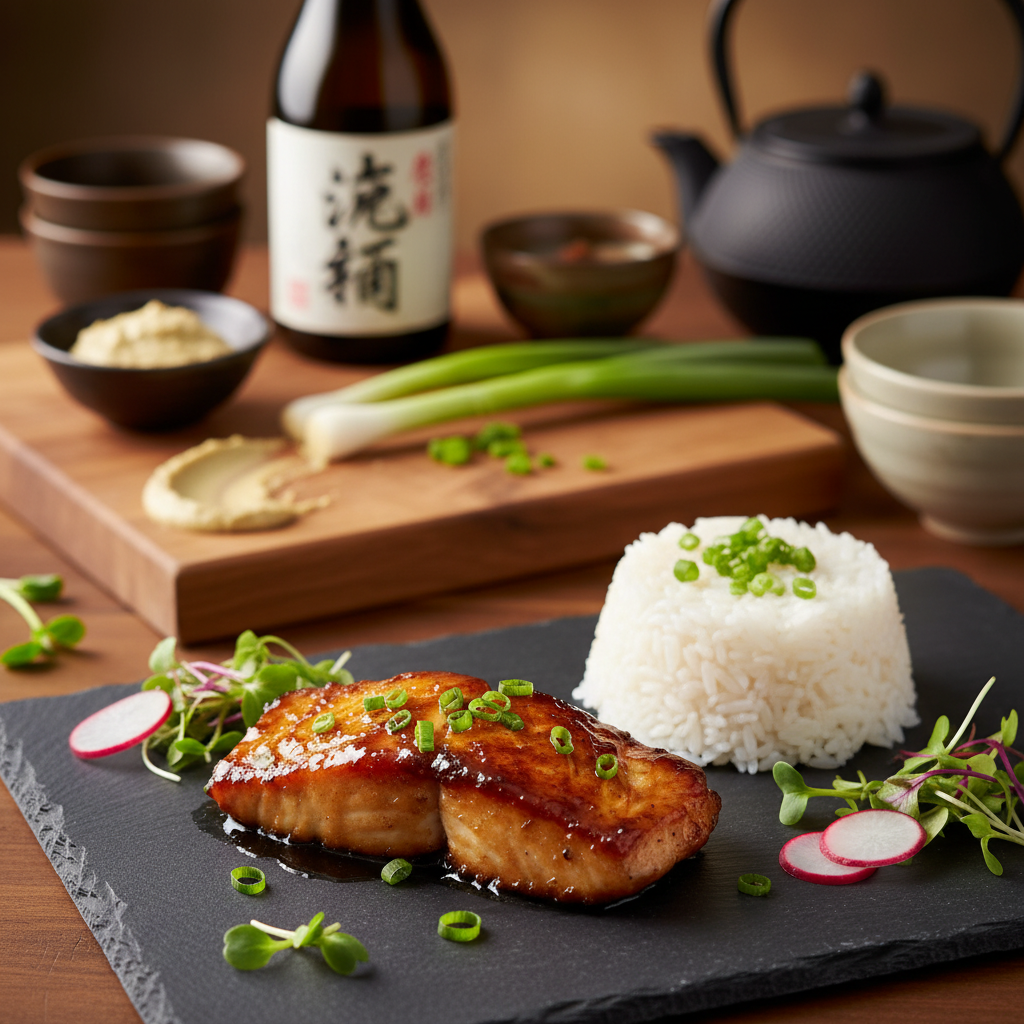
Imagine stepping into a world where the aroma of a delicious fish dish fills your kitchen. This is not just any meal; it’s a culinary experience that transports you to the luxurious dining rooms of Nobu. You are about to master a recipe that has captivated diners around the globe, bringing the magic of miso marinated fish right to your home.
With just a few simple steps, you can create a dish that impresses your family and friends. This guide will help you navigate the process of selecting the perfect fish and achieving that unforgettable caramelized crust. The best part? You’ll gain confidence in handling delicate seafood, ensuring that your meals are both elegant and effortless.
Join us as we explore the secrets behind this timeless classic. You’ll discover not only how to cook it but also the rich cultural origins and sustainability of this exquisite choice. Get ready to elevate your culinary skills and enjoy a meal that is as rewarding to prepare as it is to savor.
Introduction to Miso Black Cod: A Gourmet Favorite
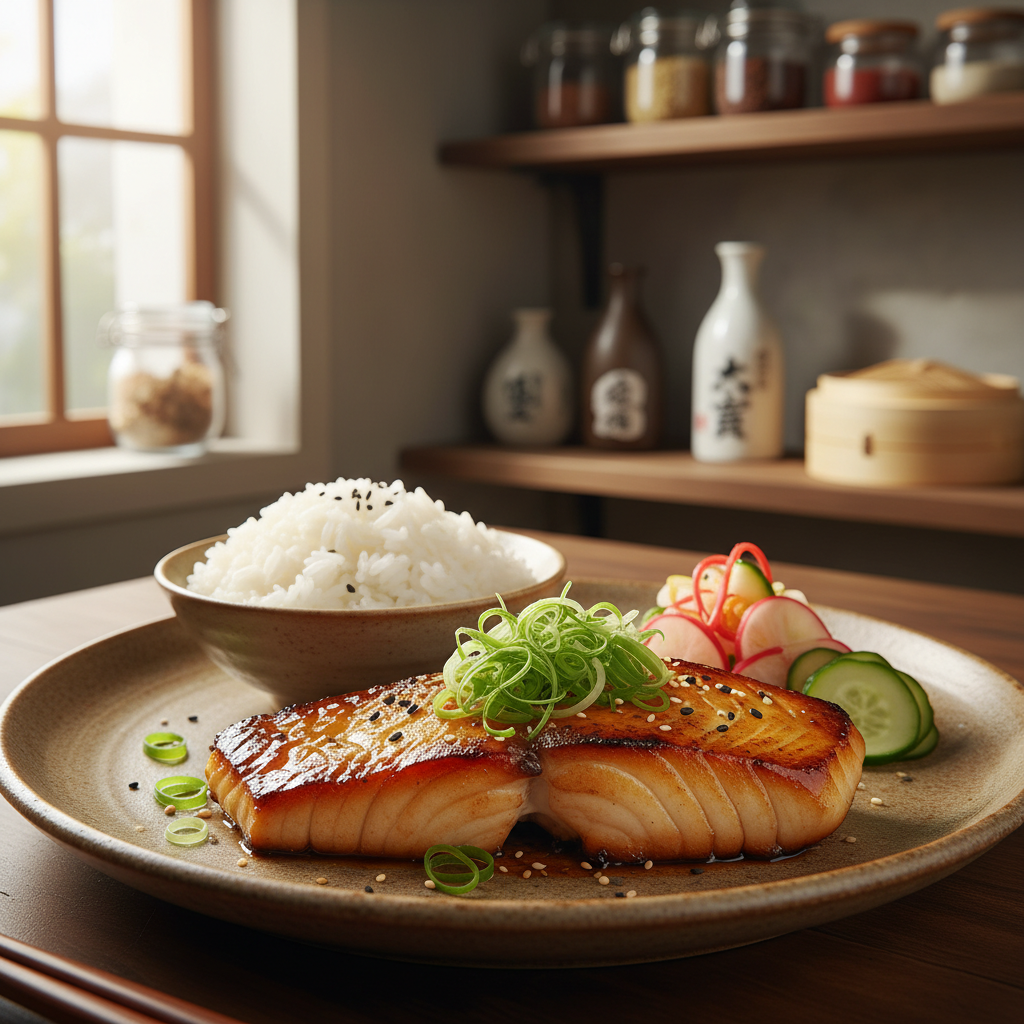
Uncover the secrets behind a fish delicacy that has captured the hearts of diners around the globe. This dish, known for its rich flavors and luxurious appeal, has gained immense popularity thanks to Chef Nobu Matsuhisa. His innovative techniques have transformed traditional Japanese cuisine, making it accessible to everyone.
The signature recipe featuring miso-marinated fish is now a staple in many upscale restaurants. From the bustling streets of Tokyo to the beaches of Cabo San Lucas, this dish is celebrated for its buttery texture and savory-sweet profile. It’s no wonder that diners flock to experience this culinary delight.
Understanding why this fish is so prized begins with its unique characteristics. Black cod, also referred to as sablefish, is renowned for its high oil content. This feature gives it a silky mouthfeel, setting it apart from leaner varieties. The fish thrives in the cold, deep waters of the North Pacific, where its diet contributes to its rich flavor and health benefits.
The popularity of this dish lies in its ability to elevate a simple fish fillet into an elegant main course. It looks and tastes as though it required hours of preparation, yet the active cooking time is surprisingly minimal. Many home cooks have discovered that this recipe is an excellent way to incorporate more fish into their meals.
As you embark on this culinary journey, you will find that preparing miso-marinated fish is straightforward. With each step, you will gain confidence in your cooking skills, impressing your family and friends with this gourmet favorite.
| Feature | Details |
|---|---|
| Origin | Adapted from Nobu: The Cookbook |
| Habitat | North Pacific Ocean (Alaska, British Columbia, Japan) |
| Weight | Up to 40 pounds |
| Length | Can grow up to 3 feet |
| Health Benefits | High in omega-3 fatty acids |
Key Ingredients for Miso Black Cod and Marinade
Every great recipe starts with a thoughtful selection of its core ingredients. When preparing miso-marinated fish, understanding what to choose is essential. The right components not only enhance flavor but also ensure a delightful culinary experience.
Essential Fish Selection: Black Cod vs. Substitutes
You must begin with the highest quality black cod fillets you can source. Ideally, choose wild-caught options from Alaska. Look for center-cut portions weighing between 4 to 6 ounces each. These will cook evenly and present beautifully on the plate.
When black cod is unavailable, you can confidently substitute Chilean sea bass. This fish shares a similarly rich, buttery flavor and firm, flaky texture. However, be aware that it typically comes at a higher price point and may require adjusted cooking times.
Halibut serves as another viable alternative. Its mild flavor and firm flesh make it a good choice, but it won’t deliver the same luxurious, buttery mouthfeel that makes the original version so distinctive.
Understanding the Miso Marinade Components
The foundation of your miso marinade rests on white miso paste, also known as shiro miso. This paste is selected for its mild, slightly sweet character. Its shorter fermentation period allows it to complement rather than overpower the delicate fish.
You will combine the white miso with sake and mirin, two essential Japanese cooking liquids. Sake adds umami and helps tenderize the fish, while mirin contributes a gentle sweetness and beautiful glaze when cooked.
Granulated sugar rounds out your marinade. It balances the saltiness of the miso paste and enhances caramelization during cooking. Be sure to measure precisely to avoid an overly sweet result that masks the natural flavor of the fish.
As you gather your ingredients, remember that the quality of each component directly impacts your final dish. Seek out authentic Japanese mirin and a filtered sake like junmai from a reputable Asian grocery store or online retailer for the most authentic results.
Preparing the Miso Marinade and Marinating Your Fish
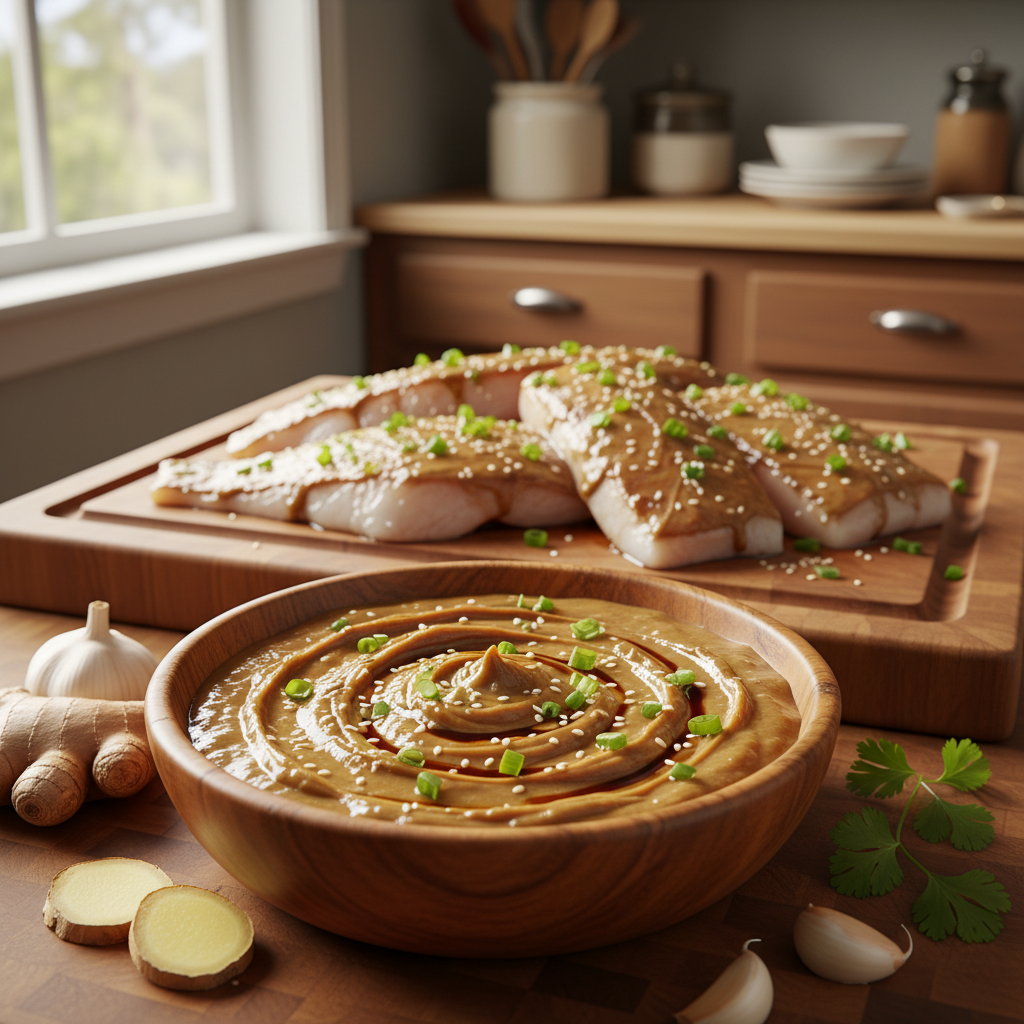
Crafting a flavorful marinade is the key to unlocking the full potential of your fish dish. This step is crucial for achieving the deep, complex flavors that define a truly exceptional meal. Follow these simple instructions to create a miso marinade that will elevate your fish to new heights.
Step-by-Step Instructions for Making the Marinade
Begin by combining 1/4 cup of sake and 1/4 cup of mirin in a small saucepan. Bring the mixture to a boil over high heat for about twenty seconds. This process evaporates the raw alcohol, concentrating the flavors.
Next, reduce the heat to low. Whisk in 1/4 cup of white miso paste and 3 tablespoons of granulated sugar until they dissolve completely. This will create a smooth, cohesive marinade. Remove the pan from the heat and let it cool to room temperature.
Once cooled, pat 4 black cod fillets dry with paper towels. Place them in a plastic zip-top bag or a shallow container that allows the fish to lie in a single snug layer. Pour the marinade over the fish, ensuring every surface is evenly coated.
Marination Timeline and Tips for Maximum Flavor
For optimal flavor, marinate your fish for two to three days. This extended time is essential for allowing the marinade to penetrate deeply into the flesh. While a minimum of twenty-four hours will yield good results, the full three-day period is ideal.
- Start the marination process two to three days before serving.
- Ensure that the marinade is cool before adding the fish.
- Seal the container tightly to prevent any refrigerator odors from affecting the fish.
- Do not disturb the fish during marination; just let it absorb the flavors.
Following these steps will ensure that your fish is infused with the sweet-savory notes of the marinade, resulting in a dish that is both flavorful and satisfying.
| Ingredient | Amount |
|---|---|
| Sake | 1/4 cup |
| Mirin | 1/4 cup |
| White Miso Paste | 1/4 cup |
| Sugar | 3 tablespoons |
| Black Cod Fillets | 4 pieces |
Cooking Methods for Perfect Miso Black Cod
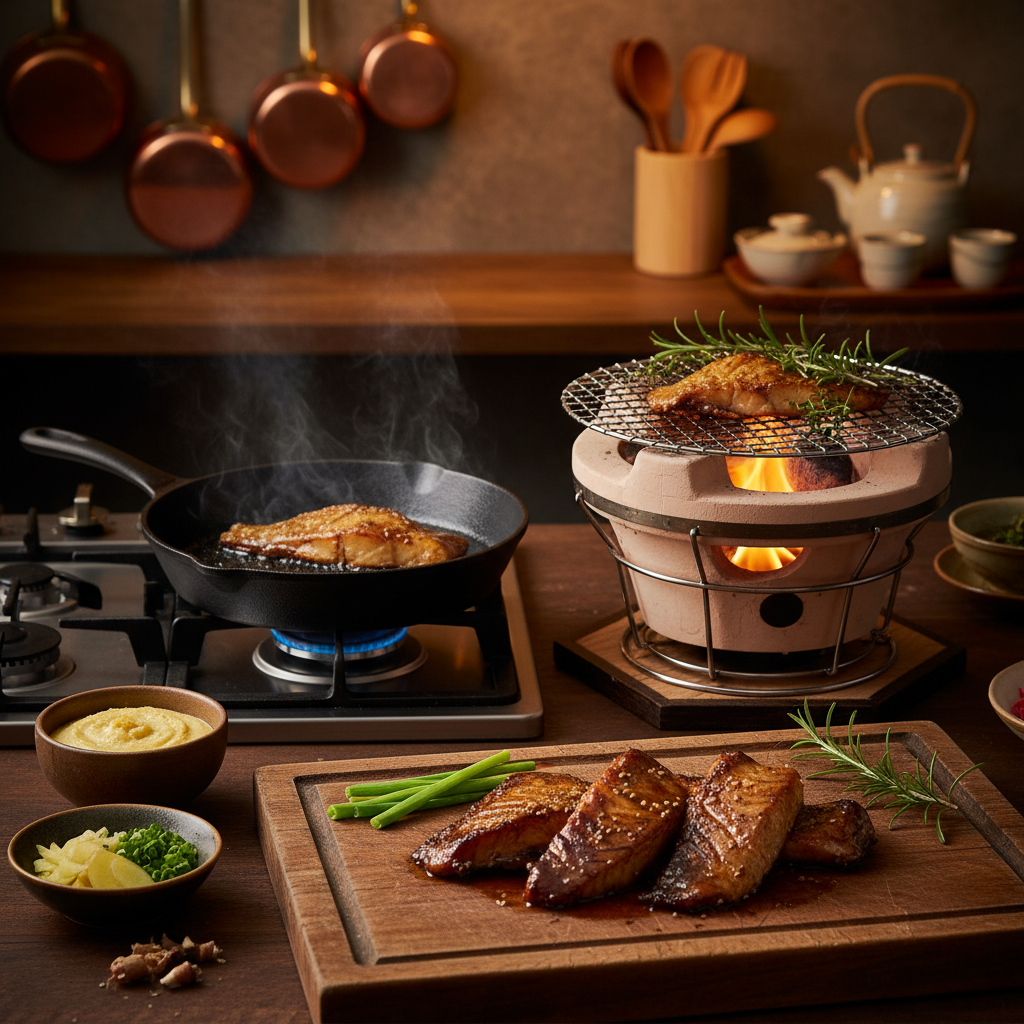
Mastering the right cooking techniques is essential for creating a delectable fish dish that impresses every time. In this section, you will learn two primary methods for cooking your marinated fish: broiling and stovetop searing followed by oven baking. Each method offers unique advantages, allowing you to achieve that perfect texture and flavor.
Broiling Method: Quick and Even Browning
To begin, arrange a rack 6 to 8 inches from the broiler element. Preheat your oven to broil. Cover a wire rack with aluminum foil and fit it onto a baking sheet. Lightly coat the foil with cooking spray. Place the fish skin-side down in a single layer on the foil.
Broil the fish, checking every few minutes and rotating the baking sheet as needed. You want the fish to start flaking and the top to become dark golden brown with charred spots. This process usually takes about 8 to 12 minutes.
Stovetop Searing and Oven Baking Method
For this method, first, arrange a rack in the middle of the oven and preheat it to 400°F. Heat 2 tablespoons of vegetable or canola oil in a 12-inch oven-proof skillet over medium-high heat until it begins to smoke. Carefully place the fish skin-side up in the pan in a single layer.
Cook until the bottom browns and blackens in spots, about 2 to 3 minutes. Use a thin metal spatula to gently flip the fillets. Continue cooking until the second side is browned, another 2 to 3 minutes. Then, transfer the skillet to the oven and bake until the fish is opaque and flakes easily, typically 5 to 10 minutes more.
Checking Doneness and Handling the Fish
When your fish is ready, it should be opaque throughout and flake easily when tested with a fork. After cooking, use a thin metal spatula to transfer the fish to plates. Before serving, run your fingers gently over each fillet to check for and remove any pin bones.
Remember, when ready to cook, remove the marinated fish from the refrigerator. Gently brush off the excess marinade using your fingers, leaving a thin, even film. This film will caramelize beautifully during cooking without burning excessively.
| Cooking Method | Time | Temperature |
|---|---|---|
| Broiling | 8-12 minutes | High (Broil) |
| Stovetop Searing & Baking | 5-10 minutes after searing | 400°F |
Serving Suggestions and Complementary Sides
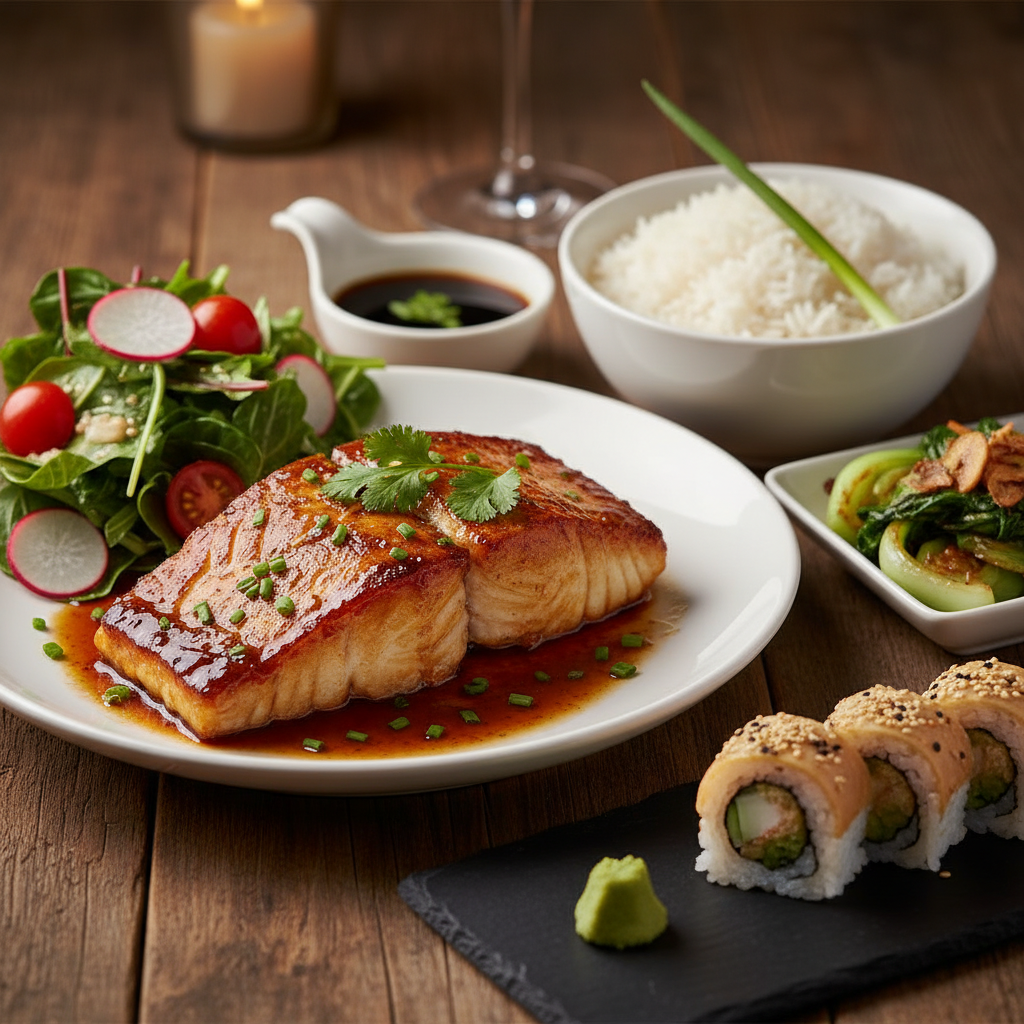
When it comes to serving your miso-marinated fish, thoughtful pairings can elevate the entire meal. The right sides not only enhance the flavors of the dish but also create a balanced dining experience. Here are some excellent suggestions for vegetable sides and rice accompaniments that complement the richness of your fish.
Vegetable Side Dishes to Balance Richness
Fresh green vegetables are a perfect counterpoint to the buttery taste of your fish. Consider these options:
- Bok Choy: Quickly sautéed, it adds a fresh, slightly bitter flavor that balances the richness.
- Asparagus: Tender spears provide both color and a delightful crunch.
- Air Fryer Broccolini: This method creates a crispy texture that pairs beautifully with the fish.
Rice and Other Accompaniments Inspired by Japanese Cuisine
A bed of rice is an ideal foundation for your plated dish. Here are some creative ideas:
- Brown Rice with Thai Black Rice: This combination offers a striking deep purple hue and a nutty flavor that enhances the dish.
- Wilted Spinach: Tossed with sesame oil, sea salt, and sesame seeds, it requires only minutes to prepare.
- Microgreens: Lightly dressed in sesame oil, they can be placed on top of the fillet for an elegant presentation.
For a professional touch, garnish each fillet with sesame seeds. Consider the balance of your entire plate, ensuring that the accompaniments enhance rather than compete with the star of the meal. Drawing inspiration from traditional Japanese cuisine, you might also include a small dish of pickled vegetables or a simple cucumber salad. This addition introduces a refreshing acidic element that brightens the overall dining experience.
Nutritional Benefits and Sustainability of Black Cod
Exploring the nutritional advantages of fish reveals why it deserves a place on your dinner table. Among the various options, black cod stands out for its rich flavor and health benefits. This fish is packed with omega-3 fatty acids, which are essential for heart health and overall well-being.
Each serving of this delectable fish delivers approximately 21 grams of protein, making it a fantastic source of nutrition. Additionally, it contains healthy fats that contribute positively to brain function and help reduce inflammation. With only about 407 calories per serving, this dish can fit seamlessly into a balanced diet.
Moreover, this recipe is a safe choice for those with dietary restrictions. It is naturally free from red meat, shellfish, dairy, peanuts, tree nuts, pork, eggs, and wheat. This inclusivity makes it an excellent option for various eating patterns, ensuring that everyone at your table can enjoy it.
Health Benefits: Omega-3 and Dietary Considerations
Incorporating black cod into your meals can have a significant impact on your health. The omega-3 fatty acids found in this fish support heart health, brain function, and inflammation reduction. Eating this fish can be a luxurious way to nourish your body while enjoying a gourmet experience at home.
However, it’s important to be mindful of the sodium content, which is approximately 723 milligrams per serving. This level is primarily due to the miso paste and marinade components. If you are monitoring your salt intake, consider adjusting portion sizes or pairing it with low-sodium sides.
Environmental Impact and Sourcing Sustainably
When you choose to source wild-caught black cod from Alaska, you are making an environmentally responsible choice. This fishery has earned a “Best Choice” rating from the Monterey Bay Aquarium Seafood Watch program. Their sustainable management practices ensure that this prized fish remains available for future generations.
Understanding the sustainability of black cod allows you to appreciate not only the flavor on your plate but also the responsible fishing practices behind it. Enjoying this fish means you can indulge in a delicious meal while supporting eco-friendly practices.
| Nutritional Component | Per Serving (4 servings) |
|---|---|
| Calories | 407 |
| Fat | 24.8 g (31.8%) |
| Saturated Fat | 4.8 g (20.7%) |
| Carbohydrates | 15.8 g (5.4%) |
| Fiber | 0.9 g (2.4%) |
| Sugars | 10.4 g |
| Protein | 21.3 g (18.2%) |
| Sodium | 722.7 mg (48.2%) |
Tips and Tricks for Best Flavor and Texture
To achieve the best flavor and texture in your fish dish, there are several tips and tricks to keep in mind. These guidelines will help you maximize the potential of your miso-marinated fish, ensuring it turns out perfectly every time.
Marinating Do’s and Don’ts
When it comes to marinating, following the right practices is crucial. Here are some essential do’s:
- Pat fish dry: Before marinating, ensure your fish is dry. This step helps the marinade adhere better.
- Use the right container: Choose a container that holds the fish in a single snug layer. This ensures even marination.
- Refrigerate: Allow the fish to marinate for 2 to 3 days for optimal flavor. The longer time allows the marinade to penetrate deeply.
- Brush off excess: After marinating, gently brush off the excess marinade with your hands. Avoid rinsing with water or using paper towels.
Now, here are some important don’ts:
- Don’t rush: Avoid marinating for less than 24 hours. This short time won’t develop the complex flavors you desire.
- Don’t wipe: Refrain from using paper towels to remove the marinade. This can strip away the flavorful layer you want to keep.
Handling Delicate Fish Without Breaking
Handling delicate fish fillets requires patience and the right technique. Always use a thin metal spatula to flip the fish. Make sure to slide it completely under each piece before turning. This method supports the entire fillet, preventing it from breaking apart.
Using the Right Tools and Cooking Equipment
Investing in the right tools can make a significant difference in your cooking experience. For broiling, use a wire rack covered with aluminum foil fitted onto a baking sheet. Coat the foil with cooking spray to prevent sticking.
For the stovetop method, opt for a 12-inch oven-proof skillet, preferably cast iron. This material retains and distributes heat evenly, creating the perfect sear without hot spots.
A wireless remote digital cooking thermometer can help monitor doneness, ensuring your fish is cooked perfectly. Alternatively, you can use parchment paper on the baking sheet instead of foil for easy cleanup.
Position your oven rack 6 to 8 inches from the broiler element. Remain vigilant during the final minutes of cooking, as the sugar in the marinade can transition from perfectly caramelized to burnt very quickly.
As you learn to judge doneness, a digital meat thermometer can provide additional confidence. Look for opaque flesh that flakes easily when gently pressed, and a deeply browned, slightly charred exterior. This signals your fish is ready to serve.
Conclusion
Congratulations! You have now acquired the skills to recreate a dish that is both elegant and flavorful. This recipe transforms rich, delicate fish into a sweet-savory delight that will impress everyone at your table.
With minimal effort, you can enjoy a timeless classic that is perfect for special occasions or a cozy weeknight dinner. You should feel proud of mastering a dish that originated in the kitchens of renowned chefs.
As you continue to prepare this dish, you’ll learn how to adjust marination times and cooking methods to fit your preferences. The techniques you’ve gained will serve you well in countless other recipes, enhancing your culinary adventures.