Do you remember the feeling of sitting down to a table filled with comforting, homemade food? That sense of warmth and togetherness is what a great meal is all about. It’s about more than just eating; it’s about creating moments that stick with you.
When you plan a dinner centered around a classic like fried chicken, you want everything to be just right. The perfect sides can turn a simple chicken dinner into a spectacular feast that feels both celebratory and deeply comforting.
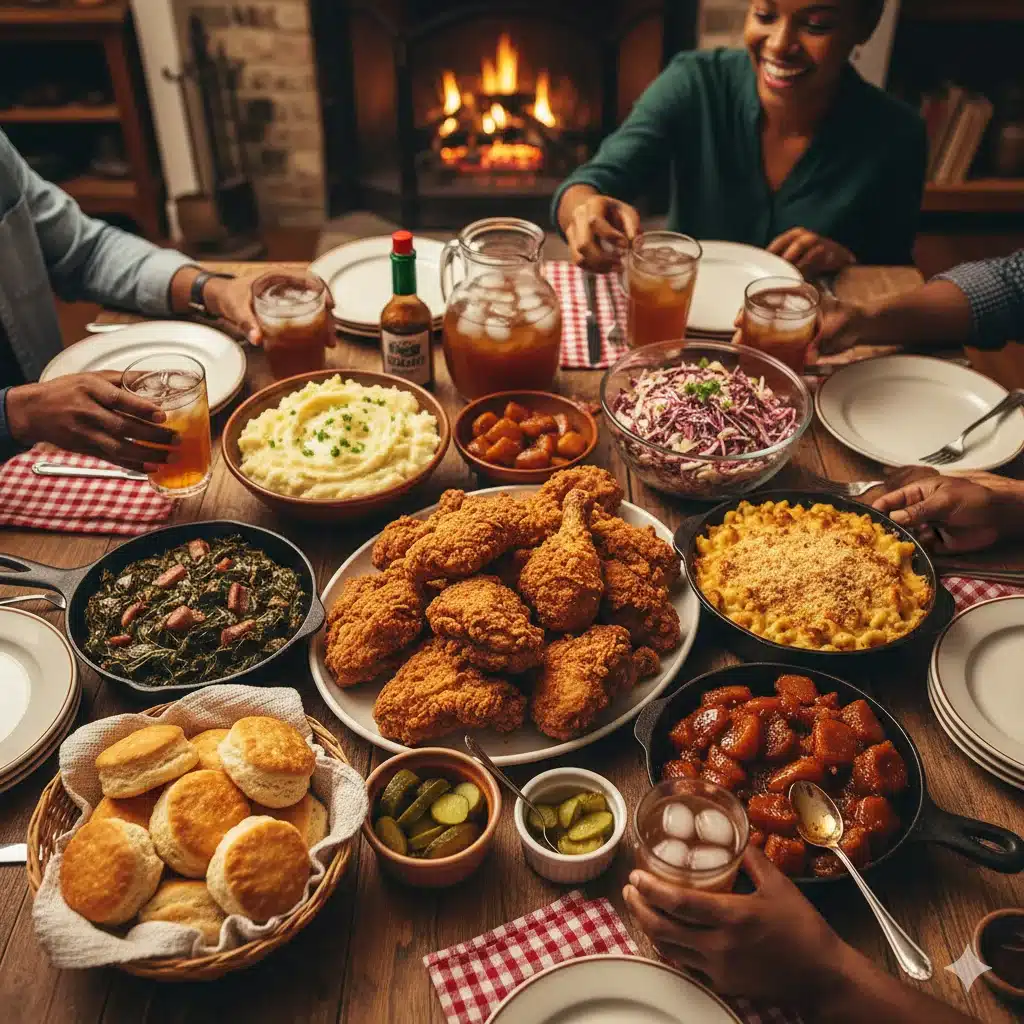
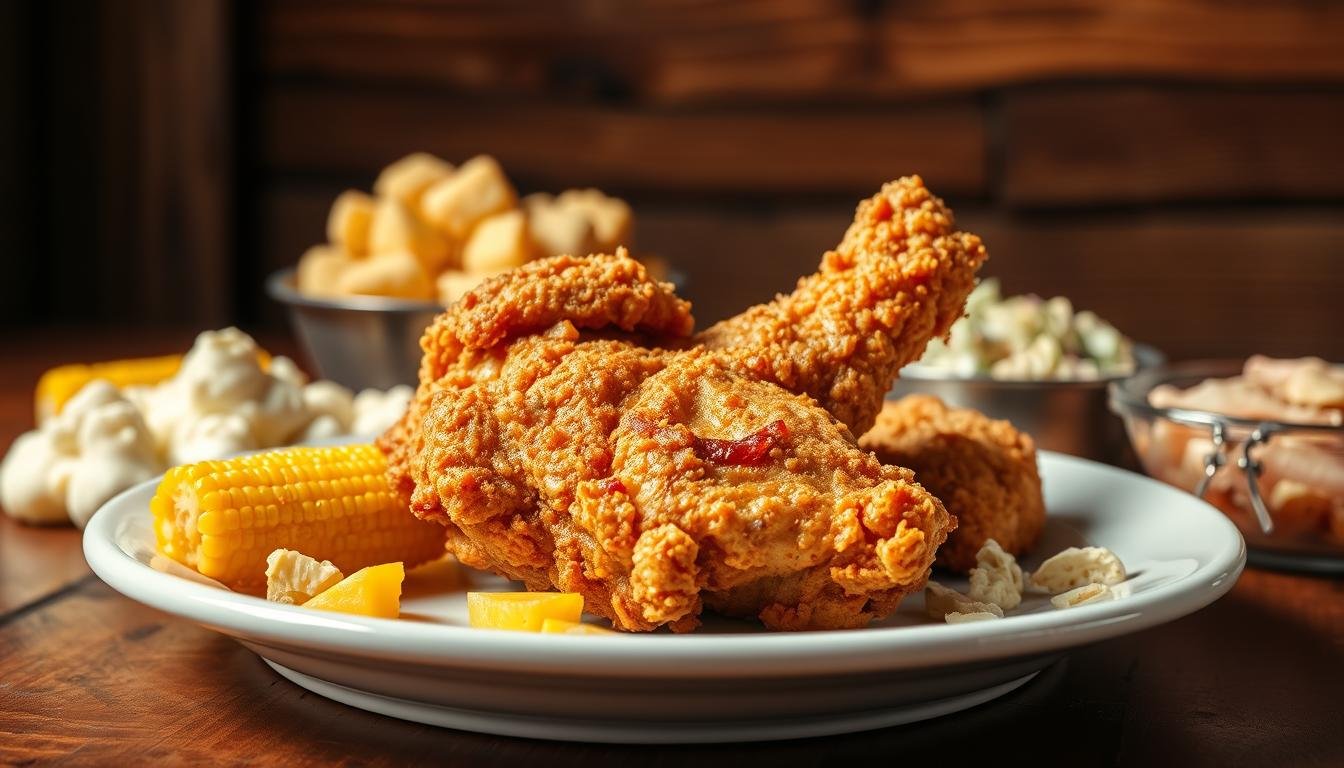
This guide is here to help you build that perfect plate. We will explore seven amazing side dishes that complement your main course beautifully. These choices honor the traditions of a beloved Crispy Southern Fried Chicken while bringing fantastic flavor and texture to your table.
Whether you’re feeding your family or hosting friends, these pairings will help you create a complete, balanced, and utterly delicious Southern-inspired experience. Get ready to make your next meal unforgettable.
Table of Contents
Table of Contents
Introduction to a Flavorful Meal
The true magic of a great meal lies not just in the main event, but in the supporting cast of flavors. Side dishes are the unsung heroes that turn a simple dinner into a memorable experience.
Why Side Dishes Enhance Your Experience
Think of your plate as a complete picture. The right sides do more than fill space. They create balance and excitement.
When you serve a rich main course like fried chicken, complementary sides prevent your palate from getting tired. They offer a welcome contrast.
- Texture and Temperature: A cool, creamy slaw contrasts with hot, savory chicken. A crunchy biscuit adds another layer of enjoyment.
- Flavor Harmony: Tangy, sweet, or fresh elements cut through richness. This makes every bite of your chicken taste better.
Setting the Stage for a Southern Feast
Taking the time to choose your sides honors a beloved culinary tradition. A proper southern fried meal is a celebration of harmony.
Every component on the table has a purpose. Your guests will notice and appreciate the thoughtful menu. It shows you care about creating a complete, delightful flavor experience for everyone.
A Deep Dive into Crispy Southern Fried Chicken
Have you ever wondered what separates good fried chicken from truly exceptional fried chicken? The answer lies in the careful preparation that happens before cooking even begins.
Understanding the Magic Behind the Crunch
The foundation of incredible fried chicken starts with buttermilk. This ingredient works magic on your chicken pieces. It tenderizes the meat deeply, ensuring every bite stays wonderfully moist.
For the best results, let your chicken soak in buttermilk overnight. This gives the flavors time to penetrate fully. If you’re short on time, 2-3 hours will still make a difference.
The coating mixture is where the crunch comes alive. Using both all-purpose flour and cornstarch creates a texture that’s far superior to flour alone. This combination gives you that signature crispy exterior everyone loves.
After dredging each piece in the seasoned mixture, let them rest briefly. This allows the coating to become slightly pasty, which helps it stick better during frying. Understanding these techniques helps you appreciate why certain sides complement this style of chicken so well.
Flavorful Side Dish Overview
Creating a harmonious dining experience means understanding how flavors and textures work together. The seven sides we’ll explore each bring unique qualities to your table.
These accompaniments transform a simple meal into something special. They create balance and excitement on every plate.
How Each Side Complements the Main Dish
The best sides for your main course operate on multiple levels. They provide textural variety that keeps each bite interesting.
Flavor contrasts prevent palate fatigue from rich foods. Acidic or tangy options cut through richness beautifully.
Traditional southern fried meals celebrate this harmony. Each component serves a specific purpose in the overall experience.
| Side Dish Type | Texture Contribution | Flavor Role | Complementary Effect |
|---|---|---|---|
| Creamy Sides | Smooth, soft texture | Mild, comforting flavors | Softens intense crispy textures |
| Crunchy Options | Firm, crisp bite | Bright, acidic notes | Refreshes the palate between bites |
| Sweet Accompaniments | Varied textures | Sweet contrast | Balances savory richness |
| Traditional Breads | Soft interior, crisp crust | Buttery, wholesome taste | Absorbes flavors beautifully |
Your fried chicken dinner becomes more memorable with thoughtful pairings. These combinations have stood the test of time in southern fried traditions.
Simple, quality ingredients let each component shine. This philosophy honors the true flavor of great chicken meals.
Creamy Sides that Pair Perfectly
Certain side dishes have earned their place on the table through generations of perfect pairings. These creamy options bring balance to your plate in the most delightful ways.
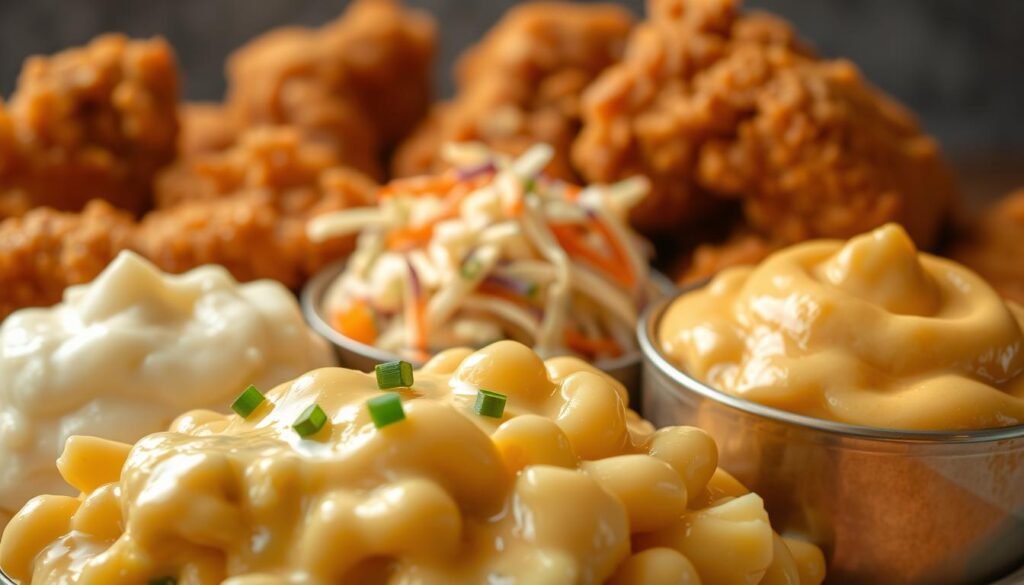
When you serve rich main courses, the right accompaniments make all the difference. They provide contrast that enhances every bite.
Mashed Potatoes: The Ultimate Comfort Food
Mashed potatoes offer creamy goodness that contrasts beautifully with your main dish. This classic combination satisfies families for good reason.
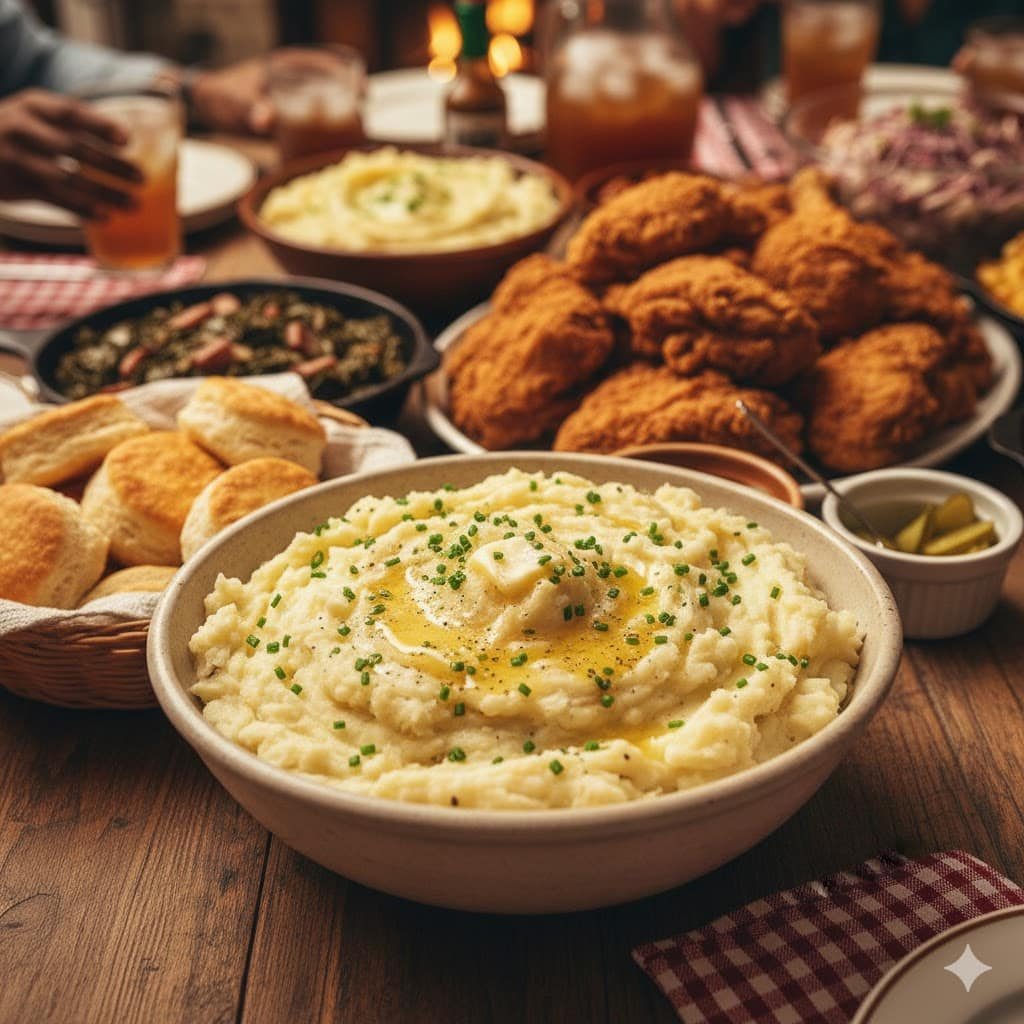
The smooth, buttery texture provides perfect balance. Mild flavors let your chicken seasoning shine as the star.
You can prepare this simple recipe in a large bowl. Boil peeled potatoes until tender, then mash with butter and cream. Season with salt and pepper to taste.
Cole Slaw: A Cool Contrast
Cole slaw brings a refreshing element to your meal. Its cool, crisp texture cuts through richness wonderfully.
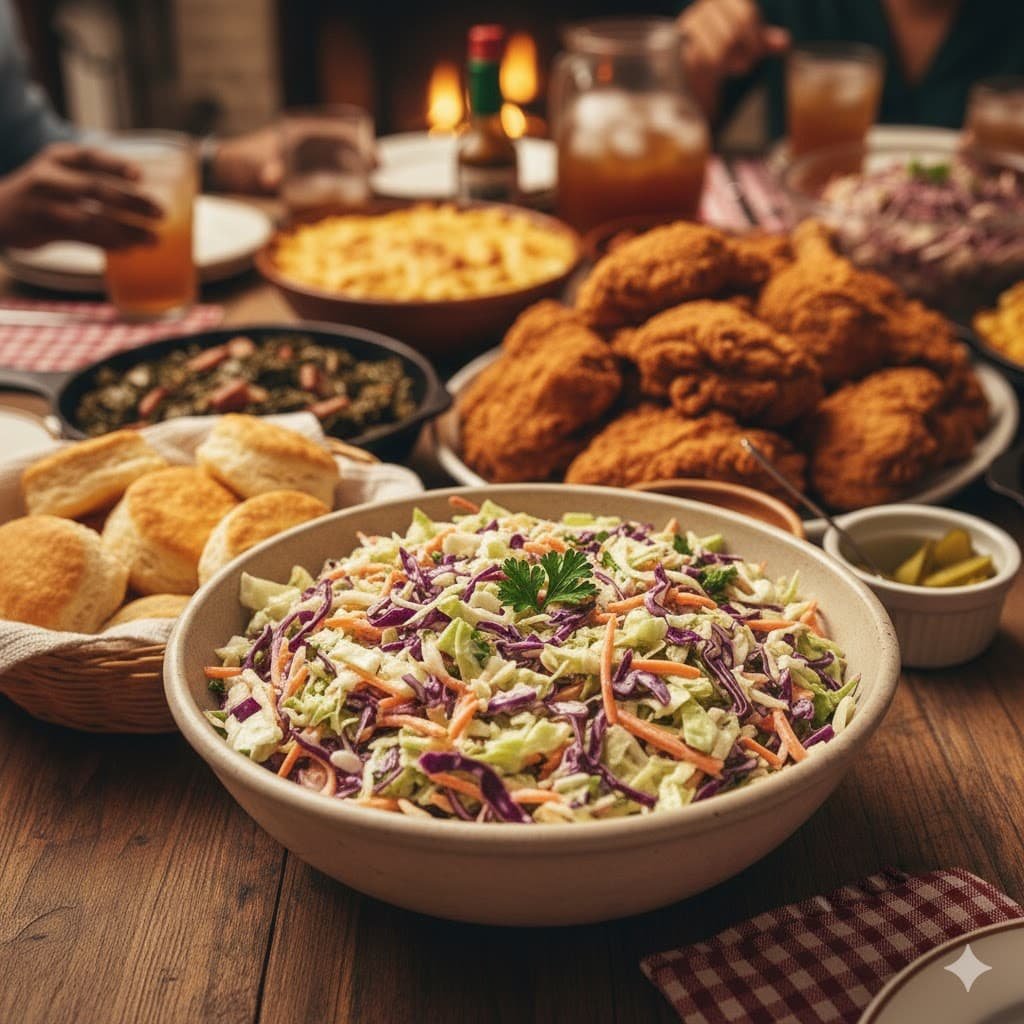
The tangy dressing refreshes your palate between bites. This makes your fried chicken taste even better.
Your recipe can be simple shredded cabbage with mayonnaise dressing. Add carrots for extra color and crunch. This southern fried tradition balances hot, flavorful main dishes perfectly.
| Side Dish | Texture Role | Flavor Contribution | Preparation Tips |
|---|---|---|---|
| Mashed Potatoes | Creamy, soft contrast | Mild, buttery comfort | Mash while hot for smooth texture |
| Cole Slaw | Cool, crisp refreshment | Tangy, acidic balance | Chill before serving for best results |
Both sides work beautifully with your fried chicken. They provide moisture and cooling elements that complete your meal.
Sweet and Savory Side Options
Beyond creamy and crunchy sides, sweet and savory options offer a delightful twist to your table. These pairings create exciting contrasts that make each bite of your meal more dynamic.
The interplay of flavors keeps your palate engaged. It turns a simple dinner into a memorable culinary experience.
Cornbread: Buttery and Crumbly
Cornbread is a cornerstone of a traditional meal. Its crumbly texture and buttery flavor make it an ideal companion.
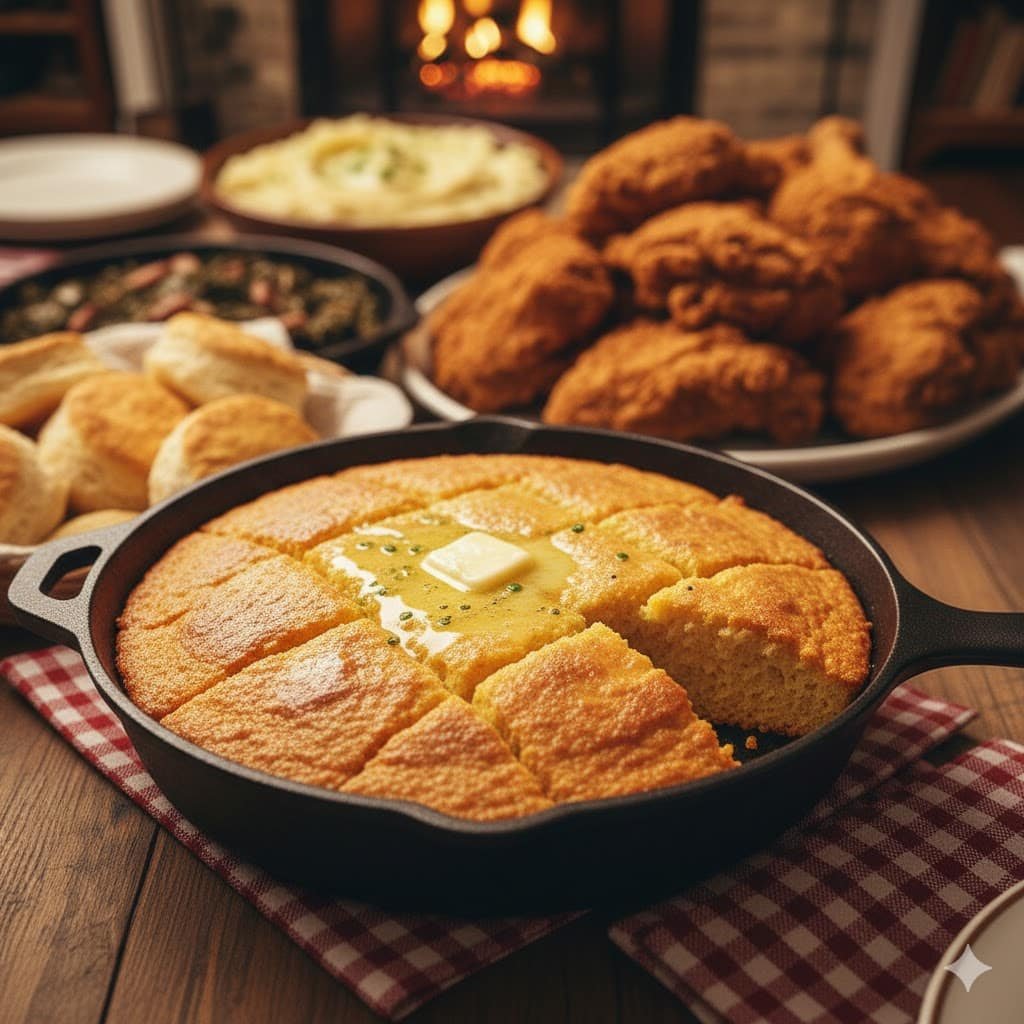
The subtle sweetness from a touch of sugar in the batter balances the savory notes of your main chicken dish perfectly. Each piece soaks up juices without getting soggy.
You can serve it plain or with extra butter. This versatility honors a time-tested southern fried tradition.
Pickles and Honey for an Extra Kick
Don’t underestimate the power of simple condiments. A few dill pickles add a tangy, briny punch that cuts through richness.
Drizzling honey over a salty piece of fried chicken creates an addictive sweet-and-salty combination. For those who enjoy heat, offering a spicy hot sauce on the side provides another layer of flavor.
This sauce and honey duo allows guests to customize their plate. It adds complexity with minimal effort.
| Side Element | Primary Flavor | Textural Role | Pairing Effect |
|---|---|---|---|
| Cornbread | Subtly Sweet | Soft, Crumbly | Balances savory spices |
| Pickles | Tangy, Briny | Crisp, Refreshing | Cuts through fat and richness |
| Honey | Pure Sweetness | Sticky, Smooth | Creates sweet-salty contrast |
Beverage Pairings to Elevate Your Meal
What you choose to drink can transform your meal from satisfying to spectacular. The right beverage acts as a flavor bridge between your main dish and sides.
It cleanses your palate and enhances each component. Thoughtful pairings create a complete dining experience that delights your guests.
Alcoholic Choices: Wines, Pilsners, and More
Wine lovers will appreciate a Chardonnay with buttery notes. It complements the richness of your fried chicken beautifully.
A crisp Rosé cuts through the meal’s richness with refreshing fruit flavors. For beer, a cold Pilsner served in cups provides perfect effervescence.
Bourbon honors Southern heritage with caramel notes that echo your meal’s flavor profile. Whether you use peanut oil or another type, these pairings work wonderfully.
Refreshing Non-Alcoholic Options
Sweet iced tea remains the classic choice for good reason. Its balance of sweetness and slight bitterness complements savory chicken perfectly.
Fresh lemonade offers tartness that cuts through richness. Even simple soda water with lemon in your cups provides a refreshing palate cleanser.
A touch of sugar in your tea or lemonade creates the ideal contrast. These drinks complete your meal without competing with the main flavors.
Cooking Tips and Techniques for the Perfect Meal
Getting that perfect texture on your main dish comes down to mastering a few key techniques. The right approach ensures every bite is satisfying and never greasy.
Your choice of equipment and careful monitoring make all the difference. Let’s explore how to achieve consistent results.
Maintaining a Crispy Texture Every Time
Proper oil selection is your first critical step. Peanut oil works beautifully because it has a neutral flavor and high smoke point.
Canola oil is another excellent option. You should avoid olive oil for deep frying as it burns too easily.
When your chicken is done, place it on a wire rack over a baking sheet. This is better than paper towels alone.
The rack allows air to circulate, preventing a soggy bottom. You can place paper towels underneath to catch drips.
Temperature, Oil Choices, and Frying Methods
Consistent temperature control is absolutely essential. Heat your oil to 325°F in a deep fryer or 300°F in a cast iron skillet.
Cast iron holds heat very well, so watch it closely. You may need to turn down the heat if browning happens too fast.
Don’t overcrowd your pan or fryer. Cook just three or four pieces at a time.
Turn pieces every few minutes until they’re golden brown. Dark meat needs 12-14 minutes, while white meat takes 8-10.
Always verify doneness with a meat thermometer. The internal temperature should reach 165°F.
Some recipes finish in a 350°F oven for 8 minutes. This ensures thorough cooking while keeping the exterior perfect.
Make sure you monitor the oil temperature throughout the process. Too cool, and food becomes greasy. Too hot, and the outside burns.
Recipe Variations and Customizations
Transforming a basic recipe into something extraordinary starts with understanding how to customize seasonings and techniques. Your chicken recipe can become uniquely yours with simple adjustments.
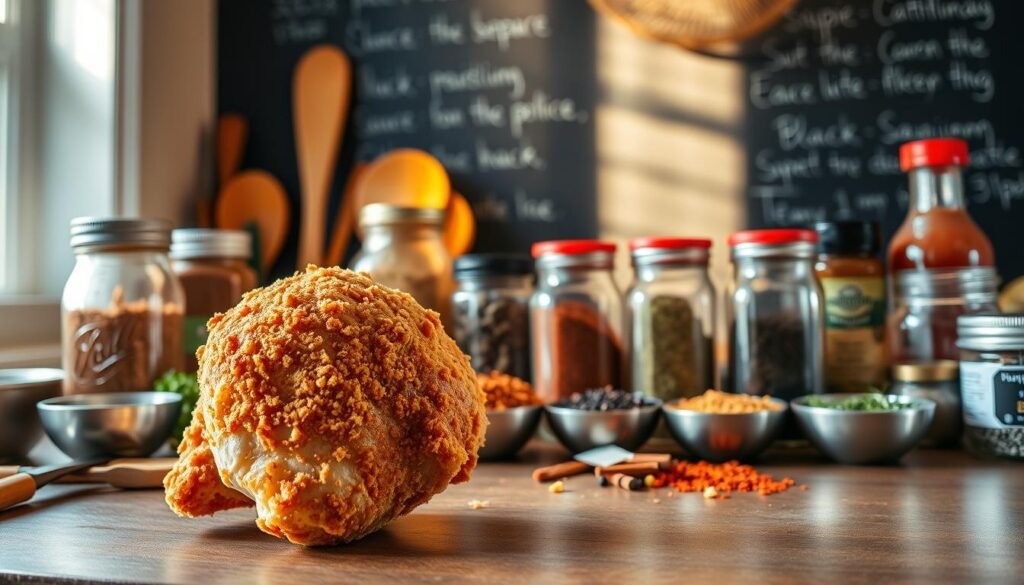
Spicing Up Your Batter and Marinade
You can create a signature fried chicken recipe by experimenting with seasonings. For a popular restaurant-style flavor, replace basic garlic powder and onion powder with a complex blend.
This special mixture might include dried thyme, basil, oregano, and various powder spices. Add about 2½ tablespoons to your flour mixture for distinctive taste.
For spicy enthusiasts, incorporate ¼ cup of hot sauce into your buttermilk marinade. Increase cayenne pepper in the coating according to your heat preference.
The basic preparation begins by placing chicken pieces in a large bowl. Season with salt, pepper, and other spices before adding buttermilk.
Your flour mixture typically combines all-purpose flour with cornstarch for extra crispiness. Some instructions suggest mixing a few tablespoons of buttermilk into the dry ingredients.
This creates a crumbly texture that helps the coating adhere better to each piece chicken. For maximum crunch, try double-dredging your chicken pieces.
Always let meat reach room temperature before you fry chicken. This ensures even cooking and better coating adhesion. Marinating overnight delivers the most tender results.
Conclusion
Your culinary journey doesn’t end when the cooking is done. Proper storage ensures your delicious meal stays fresh for future enjoyment. Let your fried chicken cool completely before storing it in an airtight container.
Refrigerated chicken stays good for up to five days. For longer storage, freeze your pieces for up to six months. When reheating, use your oven or air fryer at 350-400°F for 15-20 minutes.
This method restores that perfect texture much better than a microwave. Remember to place your fried chicken on a wire rack rather than paper towels after cooking. This simple trick keeps all sides crispy.
Your careful preparation with the buttermilk marinade and seasoned flour mixture pays off when the flavors hold up beautifully. Whether using peanut oil or another type, proper storage maintains quality.
Now you’re equipped to create memorable meals that honor tradition while fitting modern life. Enjoy your cooking adventures and the delicious results they bring to your table!
FAQ
What is the best oil for frying chicken?
For the best flavor and high smoke point, peanut oil is a top choice. Canola or vegetable oil also work well. The key is using an oil that can maintain a steady temperature around 350°F without burning.
How do I keep the coating from falling off?
Make sure you pat your chicken pieces completely dry before dredging. Then, let the floured pieces rest for about 10 minutes before frying. This helps the flour mixture adhere to the meat, creating a solid crust.
Can I make this recipe without buttermilk?
A> Absolutely! If you don’t have buttermilk, you can create a quick substitute. Just add one tablespoon of lemon juice or vinegar to a cup of regular milk and let it sit for 5 minutes. This will give your marinade a similar tangy flavor.
What’s the secret to a super crispy texture?
A> Two things are crucial: temperature and patience. Keep your oil hot (350-375°F) and avoid crowding the pan. Frying in batches ensures each piece cooks evenly and stays crunchy. Using a wire rack instead of paper towels to drain also helps prevent sogginess.
How long should I marinate the chicken?
A> For maximum flavor, aim for at least 4 hours, or even better, overnight in the refrigerator. A longer soak in the buttermilk mixture with hot sauce and spices tenderizes the meat and infuses it with delicious flavor.
Can I bake the chicken instead of frying it?
A> Yes, you can achieve a baked version with a crispy crust. After dredging, place the pieces on a wire rack over a baking sheet. Bake at 400°F for about 45-50 minutes, or until the internal temperature reaches 165°F and the outside is golden brown.
What are the best spices to add to the flour?
A> Classic seasonings include garlic powder, onion powder, paprika, black pepper, and a pinch of cayenne for heat. Don’t forget salt! A little sugar in the flour mixture can also promote beautiful browning.