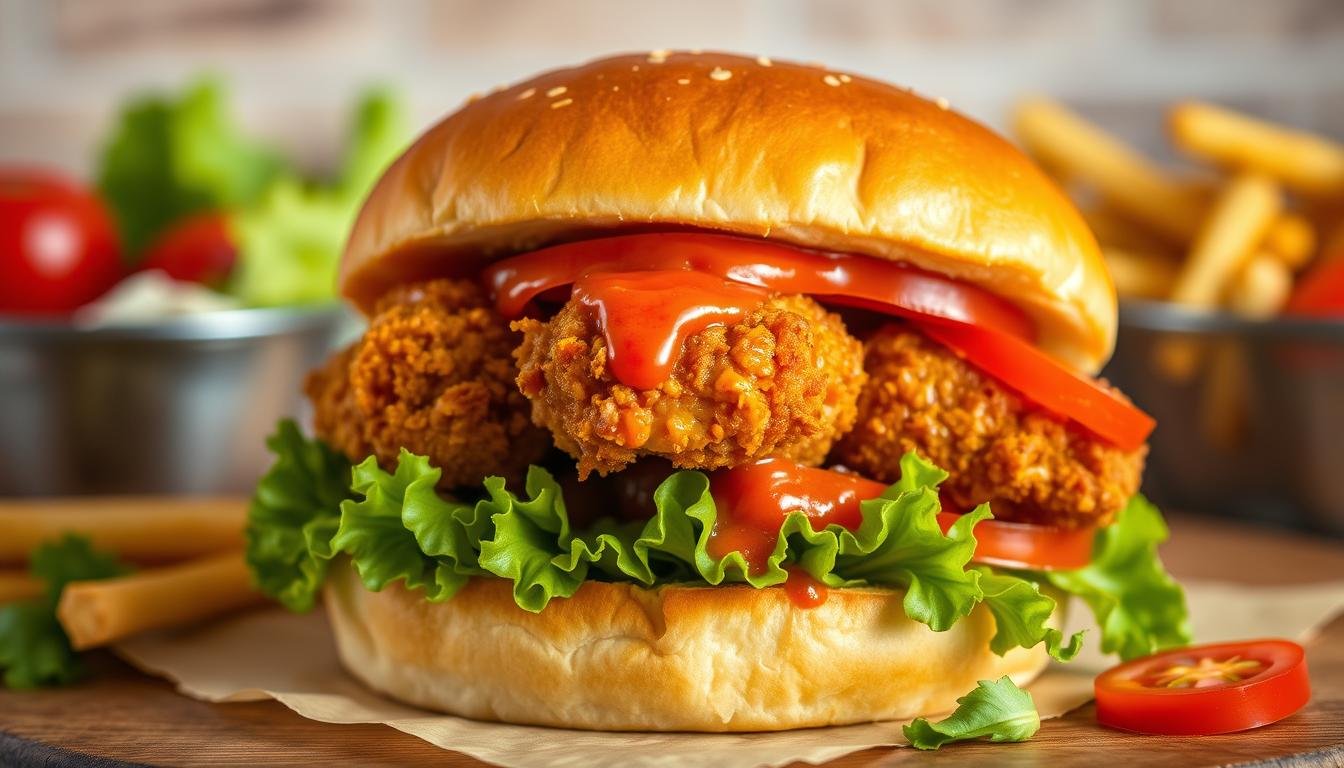
Craving the signature spicy kick of Chick-fil-A’s famous sandwich but looking for a juicier alternative? You’re in the right place! Using boneless chicken thighs instead of breasts can make all the difference in achieving that tender, juicy meat you’re longing for.
This comprehensive guide will walk you through creating the ultimate copycat version of Chick-fil-A’s spicy chicken sandwich. You’ll discover the secret to maintaining maximum moisture in your chicken while developing a perfect crispy exterior, just like the pros.
By following this recipe, you’ll be able to enjoy a restaurant-quality sandwich with that signature spicy flavor in the comfort of your own home. Get ready to elevate your meal time with a dish that’s sure to become a new favorite.
The Secret to Chick-fil-A’s Signature Flavor
Cracking the code to Chick-fil-A’s signature flavor involves understanding their unique approach to marinating and cooking chicken. The key lies in using boneless chicken thighs, which are more forgiving and flavorful than breasts.
Why Boneless Chicken Thighs Make a Better Sandwich
Boneless, skinless chicken breasts are often criticized for being dry and flavorless. In contrast, chicken thighs contain more fat, making them juicier and more flavorful. Professional chefs often prefer thighs for sandwiches because they maintain moisture during cooking and provide a more natural flavor.
The Spicy Flavor Profile Breakdown
The spicy flavor in Chick-fil-A’s sandwiches comes from a specific blend of spices that adds a kick without being overwhelming. Understanding this flavor profile allows you to adjust the spice level to your liking while maintaining the authenticity of the original recipe. For more chicken recipes, you can explore different meal prep ideas.
| Characteristics | Chicken Breasts | Chicken Thighs |
|---|---|---|
| Fat Content | Low | Higher |
| Moisture Retention | Prone to drying out | More forgiving |
| Flavor | Less natural flavor | More natural flavor |
Ingredients You’ll Need
The foundation of a great boneless chicken thigh sandwich is built on the quality and combination of its ingredients. To create this mouth-watering recipe, you’ll need to prepare several key components.
For the Boneless Chicken Marinade
The marinade is crucial for tenderizing the chicken and infusing it with flavor. You’ll need buttermilk, which contains enzymes that break down proteins, making the meat more tender. Additionally, a blend of spices like paprika, cayenne pepper, and garlic powder will give your chicken that signature spicy kick.
For the Spicy Breading
For the spicy breading, you’ll combine flour with specific proportions of paprika, cayenne pepper, garlic powder, and other seasonings to mimic Chick-fil-A’s signature coating. Unlike breasts, thigh meat requires a slightly different approach to breading to complement its richer flavor.
For the Special Sauce
The special sauce is a crucial element that brings the entire recipe together. It requires just a few simple ingredients but makes a huge difference in achieving that authentic taste experience. You’ll learn how to make this sauce with ease.
Essential Equipment for Perfect Results
To achieve the perfect boneless chicken thigh sandwich, you’ll need the right equipment in your kitchen. Having the correct tools ensures that your chicken is cooked to perfection and your recipe turns out just right.
Kitchen Tools You’ll Need
To start, you’ll need a few essential kitchen tools. A reliable meat thermometer is crucial for ensuring your chicken is cooked to the proper temperature without overcooking it. You’ll also need a heavy-bottomed pan or cast iron skillet to achieve the perfect sear on your boneless chicken thighs.
Using parchment sheet or parchment paper when cooking boneless chicken can help maintain moisture. This simple trick makes a big difference in the final texture of your sandwich.
Optional but Helpful Gadgets
While the basic tools will get you started, there are a few gadgets that can make the process easier and improve your results. Understanding how your oven‘s temperature affects cooking time is crucial for this recipe, as even small variations can impact the final texture.
For those who make this recipe frequently, investing in certain gadgets can streamline the process and improve consistency. With the right equipment, you’ll be able to achieve restaurant-quality results in the comfort of your own kitchen.
Preparing Your Boneless Chicken Thighs
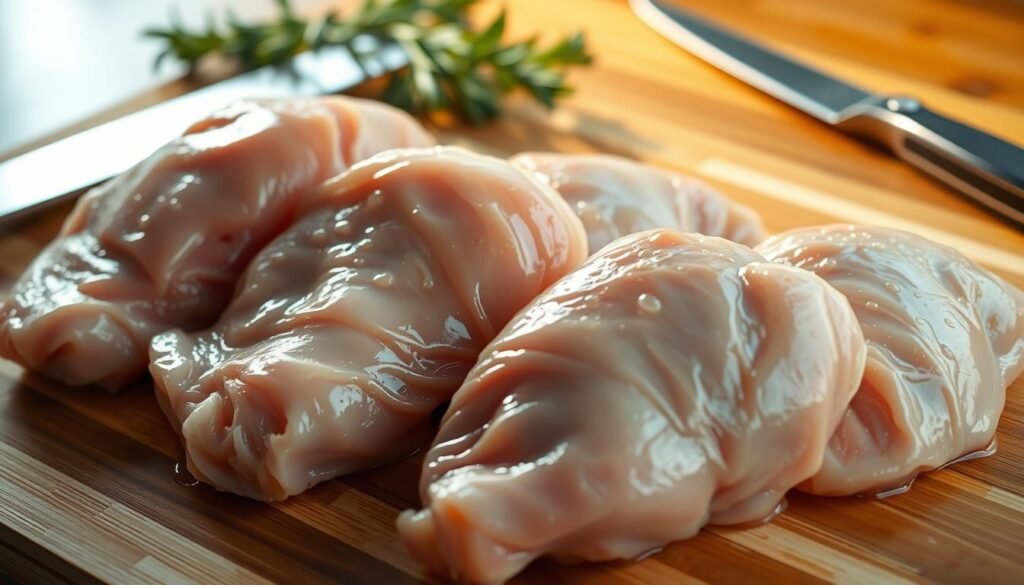
Preparing boneless chicken thighs is an art that requires attention to detail and a few simple techniques. To achieve the best results, it’s crucial to understand the importance of proper preparation.
Trimming and Tenderizing Techniques
To start, you’ll need to trim excess fat from your boneless chicken thighs. While some fat is essential for flavor and juiciness, too much can make the sandwich greasy. Use a sharp knife to carefully remove excess fat without cutting away too much meat. Next, tenderize the chicken using a meat mallet to achieve an even thickness. This step is critical for ensuring that your chicken cooks evenly and remains tender.
The Crucial Buttermilk Brine
After tenderizing, soak your skinless chicken thighs in a buttermilk brine. This step is non-negotiable for achieving tender and juicy meat. The enzymes in buttermilk break down proteins in the chicken, resulting in exceptionally tender results. Ensure you brine for the right amount of minutes – too little time won’t achieve the desired tenderness, while too long can make the texture mushy. Unlike breast meat, thighs require different handling due to their irregular shape and higher fat content.
After brining, pat the chicken dry to achieve a crispy exterior during cooking. This often-overlooked step is essential for maximizing the natural advantages of boneless chicken thighs over breast meat.
The Perfect Breading Method

The breading method is what sets a Chick-fil-A sandwich apart from others. To recreate this signature sandwich, you’ll need to master a specific breading technique that involves more than just coating the chicken.
Creating the Signature Spicy Coating
The spicy coating on a Chick-fil-A sandwich is a result of a precise blend of seasonings mixed in a particular order. This ensures an even distribution of flavors throughout the breading. When preparing your chicken for the recipe, make sure to coat it evenly.
Double-Dredging for Extra Crispiness
Double-dredging is a technique that creates a thicker, crisper coating on your chicken breasts. The first dredge in flour helps the egg wash stick to the surface of the chicken, while the second dredge creates the final crispy layer. After breading, let the chicken rest for a few minutes before cooking to ensure the coating adheres properly.
This method is essential for achieving that distinctive Chick-fil-A texture that’s crispy yet not too thick or batter-like. By following this recipe, you’ll be able to create a delicious copycat Chick-fil-A sandwich with perfectly breaded chicken.
Cooking Your Boneless Chicken to Juicy Perfection
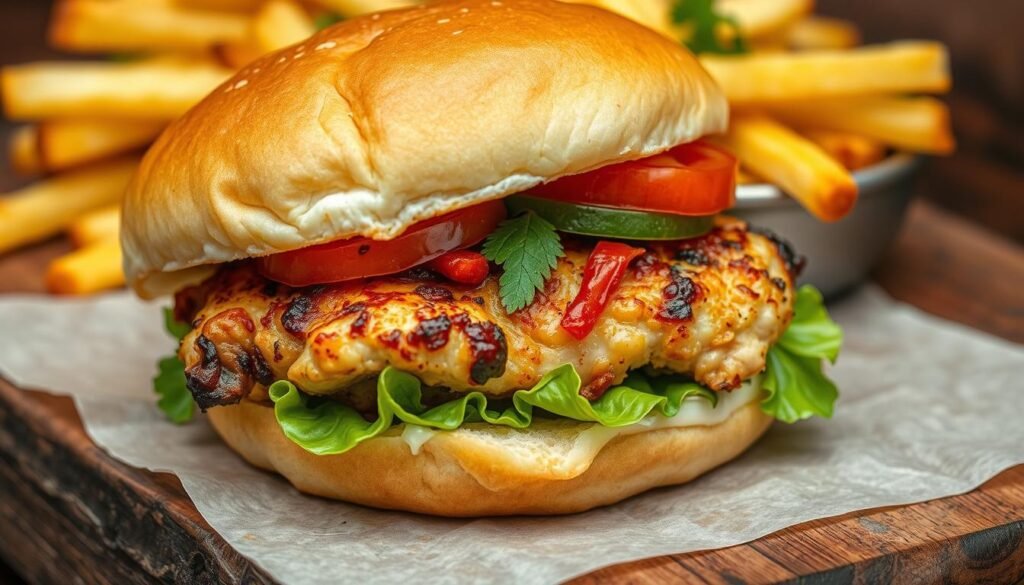
Perfectly cooked boneless chicken thighs are the foundation of a great chicken sandwich, and we’re about to dive into how to achieve that. Cooking boneless chicken thighs to the right level of doneness without drying them out is a skill that requires some finesse, but with the right techniques, you can achieve juicy perfection every time.
Oil Temperature Secrets
One crucial factor in cooking boneless chicken thighs is getting the oil temperature just right. If the oil is too hot, the outside will burn before the inside is fully cooked. On the other hand, if the oil is too cold, the chicken will absorb excess oil, leading to a greasy texture. The ideal temperature for frying boneless chicken thighs is between 350°F and 375°F. Using a thermometer will help you maintain this optimal temperature range.
Timing and Visual Cues for Doneness
Cooking time will vary based on the thickness of your chicken thighs. As a general guideline, cook them for about 5-7 minutes per side. However, relying solely on time can be misleading. Instead, look for visual cues: the chicken should be golden brown and have an internal temperature of 165°F. Using a meat thermometer is the most accurate way to ensure your chicken is cooked through. For oven finishing, preheat your oven to 400°F and arrange the chicken on a sheet pan lined with parchment paper for even cooking.
The Parchment Paper Hack for Extra Juiciness
To keep your chicken juicy, try using parchment paper with a little oil. Coat a sheet of parchment paper with olive oil spray or about 1-2 teaspoons of olive oil, spread it around evenly, and then place it on top of the chicken with the oil side touching the chicken. This technique mimics the job of chicken skin, preventing the chicken from drying out and ensuring it stays tender and juicy.
Assembling Your Copycat Chick-fil-A Sandwich
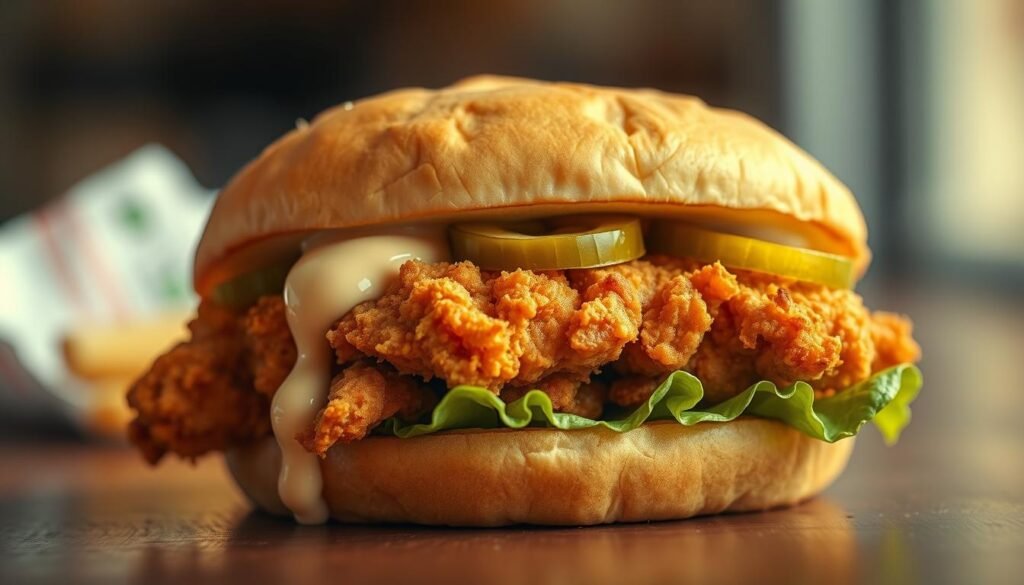
Now that you have all your ingredients ready, it’s time to assemble your Copycat Chick-fil-A sandwich, a crucial step that requires some finesse. The assembly order can significantly impact the eating experience, making it essential to get it right.
Toasting the Perfect Bun
Toasting the bun is a critical step that adds texture and prevents sogginess. Chick-fil-A uses a specific type of bun that’s crucial to the authentic experience. To toast your buns, simply place them on a baking sheet and bake in a preheated oven at 350°F for about 5 minutes, or until lightly browned.
Layering Ingredients for Maximum Flavor
The layering order is vital for maximizing flavor in every bite. Start with a toasted bun, followed by a layer of special sauce, then your juicy chicken patty. The correct placement of the sauce ensures it complements rather than overwhelms the spicy chicken.
The Correct Order of Assembly
The correct order is: bottom bun, special sauce, chicken patty, pickle chips on top, and finally the top bun. This order keeps all components in place while eating, preventing ingredients from sliding out. The top bun is toasted to perfection to add crunch.
By following these steps, you’ll be able to create a Copycat Chick-fil-A sandwich that’s not only delicious but also authentic. Enjoy your recipe!
Serving Suggestions and Pairings
Learn how to create a well-rounded meal with our suggestions for sides and beverages that complement your spicy chicken sandwich. Classic Chick-fil-A sides like waffle fries and coleslaw are easy to make at home and provide the perfect balance to your meal.
Classic Chick-fil-A Side Dishes
You’ll discover how to recreate Chick-fil-A’s famous waffle fries at home, the perfect side dish to complement your spicy chicken sandwich. Their signature coleslaw recipe is another great option to balance out the flavors. You can also consider making a simple chicken salad using any leftover chicken, extending the recipe into multiple meals.
Beverage Pairings
For beverage pairings, traditional southern drinks like lemonade and sweet tea complement spicy chicken nicely. These refreshing drinks help cool down the palate, making for a well-rounded dining experience. You can also experiment with other beverages to find your perfect match.
Conclusion
With this guide, you’ve unlocked the secret to a mouth-watering chicken sandwich that’s sure to become a staple in your kitchen. You’ve mastered the techniques needed to create a restaurant-quality spicy chicken sandwich at home that many people will prefer to the original Chick-fil-A version. This recipe transforms ordinary boneless chicken into something extraordinary, proving that you don’t need skinless chicken breasts to create amazing weeknight meals.
The beauty of this recipe lies in its versatility – you can adapt it to suit your personal taste. Whether you’re cooking for yourself or your family, this weeknight-friendly chicken sandwich brings restaurant quality to your dinner table without the restaurant price tag. You’ll find this becomes a go-to recipe for impressing guests or satisfying your fast food cravings without leaving home.
FAQ
How do I achieve the signature flavor of Chick-fil-A’s spicy sandwich?
To get the signature flavor, you’ll need to use a combination of spices and herbs in your marinade and breading. The key is to balance the flavors so that the spicy and savory notes shine through. You can also add a hint of garlic and pepper to give it an extra boost.
Can I use skinless chicken breasts instead of thighs for this recipe?
While you can use skinless chicken breasts, thighs are generally more tender and juicy, making them a better choice for this sandwich. Thighs also have a more robust flavor profile that pairs well with the spicy breading.
How do I ensure my chicken stays juicy when cooking?
To keep your chicken juicy, make sure to not overcook it. Use a thermometer to check the internal temperature, and remove it from the heat when it reaches the safe minimum. You can also use the parchment paper hack to retain moisture.
What’s the best way to reheat leftover chicken?
To reheat leftover chicken, place it on a sheet pan in the oven at a low temperature (around 275°F) until warmed through. This helps prevent drying out the meat. You can also reheat it in a pan on the stovetop with a small amount of oil.
Can I make this recipe in advance and store it in the fridge or freezer?
Yes, you can prepare the marinade and breading in advance and store them in the fridge for up to a day. You can also freeze the breaded chicken for up to a month and cook it straight from the freezer.
What are some good side dishes to serve with this sandwich?
Classic side dishes like salad, tomatoes, and coleslaw pair well with this spicy sandwich. You can also serve it with a side of fries or hash browns for a more indulgent treat.