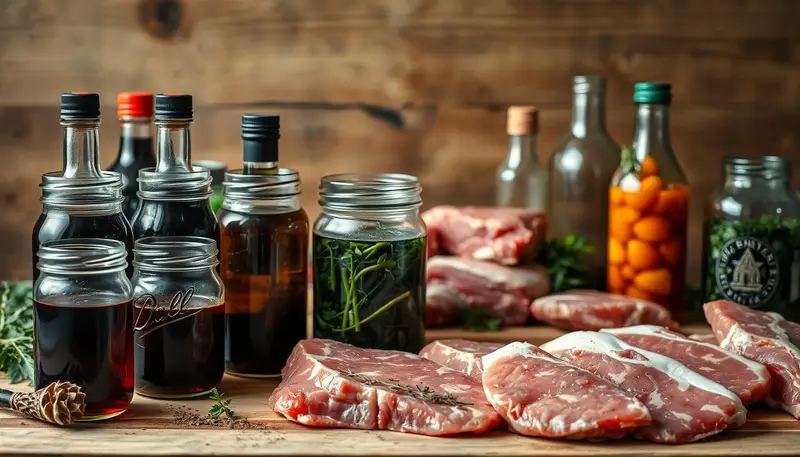
Remember that last barbecue? You fired up the grill with high hopes, but the chicken came out a bit tough, a little bland. We’ve all been there. That moment of disappointment is exactly why understanding this simple kitchen magic is so powerful.
This practice of soaking food is ancient. Centuries ago, people used salty seawater to preserve their catch. This basic idea blossomed into a global art form. Cultures everywhere began infusing these liquids with herbs, spices, and acids.
You are about to learn how these mixtures do more than just add taste. They work on a deeper level. The right combination of ingredients can transform a simple piece of meat into something extraordinary.
It’s not just about soaking; it’s about a gentle, chemical transformation. When you grasp how acid and salt work together, your entire approach to cooking changes. You move from following recipes to creating them with confidence.
Science of Marinades unlocks the door to juicy, tender, and deeply flavorful results every time. Let’s dive in and discover how you can make every meal a masterpiece.
Table of Contents
Table of Contents
Understanding the Basics of Marinades
Think of a marinade as your secret weapon for turning simple ingredients into a memorable meal. It’s a simple liquid mixture that works its magic on your food before it even hits the heat.
Getting familiar with the core parts is your first step to mastery.
Key Components: Acid, Oil, and Seasonings
Every great marinade contains three essential ingredients. They are an acid, oil, and your favorite seasonings. Each one has a specific job.
The acid, like vinegar or lemon juice, gently breaks down tough proteins. This starts the tenderizing process. Oil, such as olive oil, keeps everything moist. It also carries flavors from herbs and spices deep into the meat.
Your seasonings provide the unique taste. When you balance these acidic components with oil and flavorings, you create a powerful blend.
Historical Roots and Evolution
This technique is far from new. It began centuries ago as a way to preserve food using salty seawater. The word “marinate” actually comes from the Latin word for sea.
Over time, it evolved from pure preservation into a art of flavor. Different cultures added their own touches. Asian cuisines used soy sauce. Mediterranean regions favored wine and herbs.
This history shows how a practical method became a cornerstone of delicious cooking worldwide.
The Role of Acid and Salt in Marinade Science
At the heart of every successful marinade lies a powerful partnership between two key ingredients. Understanding how they work together transforms your cooking from guesswork to precision.
How Acid Denatures Proteins
When acid touches your meat, it begins to denature proteins by unraveling their structure. This process breaks down tough muscle fibers and connective tissues that can make certain cuts chewy.
Lemon juice and other acidic ingredients penetrate the surface gently. They start the tenderizing process that makes your final dish much more enjoyable.
Salt’s Impact on Meat Tenderness
Salt works differently than acid—it alters protein structure at the cellular level. This increases your meat’s ability to hold onto moisture during cooking.
The osmotic pressure created by salt draws moisture deep into the muscle fibers. This essentially brines your meat from the inside out, creating a more succulent final dish.
Balance is crucial. Too much acid can over-tenderize and make meat mushy. The right amount of salt enhances both flavor and tenderness beautifully.
Exploring the Science of Marinades
When you prepare a marinade, you’re setting off a series of fascinating chemical interactions. These reactions work together to transform your ingredients at a molecular level.
Chemical Reactions in Marinating
The Maillard reaction plays a key role in this process. This browning reaction happens when amino acids meet sugars during cooking. Your marinade jumpstarts this reaction before heat is even applied.
This creates hundreds of flavor compounds that give cooked meat its rich aroma and taste. The acidity level of your mixture affects how flavor molecules dissolve and penetrate.
Multiple reactions occur simultaneously. Protein denaturation, moisture absorption, and flavor development all work together. Understanding this science helps you choose the right pH balance for optimal results.
Your meat becomes more receptive to heat through this process. The controlled chemical reactions prepare proteins for perfect cooking outcomes. This knowledge transforms marinating from simple waiting into strategic preparation.
Marinating Techniques: A How-To Guide
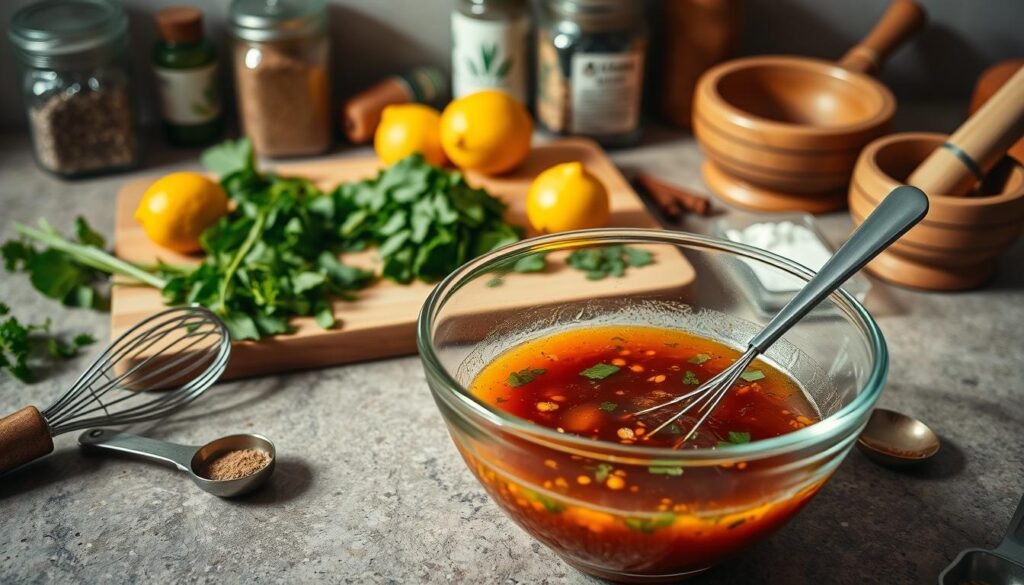
The difference between good and great grilled dishes often comes down to proper marinating technique. Getting this process right ensures your meat absorbs maximum flavor while achieving perfect tenderness.
Step-by-Step Process for Effective Marinating
Start by choosing the right container. Glass, stainless steel, or food-safe plastic work best. Avoid aluminum since it reacts with acidic ingredients.
Place your meat in the container and pour the marinade evenly over every surface. Massage it gently to help the flavors penetrate. This breaks down the outer layer slightly.
For quick marinating, cut meat into smaller pieces. This increases the surface area exposed to your mixture. Pierce thicker cuts with a fork to create channels for deeper penetration.
| Meat Type | Minimum Time | Maximum Time | Best Results |
|---|---|---|---|
| Chicken Breast | 30 minutes | 2 hours | 1 hour |
| Beef Steak | 2 hours | 24 hours | 4-6 hours |
| Pork Chops | 1 hour | 8 hours | 2-4 hours |
| Fish Fillets | 15 minutes | 30 minutes | 20 minutes |
Tips for Even Coating and Flavor Distribution
Flip your meat halfway through the marinating time. This ensures both sides get equal exposure. Remove air from resealable bags to keep the marinade in constant contact.
Before grilling, pat the surface dry with paper towels. This crucial step gives you a beautiful sear instead of steaming. Your final dish will have better texture and appearance.
Marinade Ingredients: Acids, Enzymes, and More
Your ingredient selection determines whether your mixture simply flavors or truly transforms. The right choices can turn tough cuts into tender masterpieces.
Understanding how different components work helps you create perfect blends every time.
Choosing the Right Acidic Components
Lemon juice brings bright, citrusy notes that gently break down surface proteins. It works beautifully on chicken and fish.
Different types of vinegar offer varying acidity levels. Apple cider vinegar adds fruity tones, while balsamic provides sweetness.
When you use wine in your mixture, the alcohol helps carry flavors deeper. Red wine pairs wonderfully with beef.
Yogurt offers mild acidity with a creamy texture. It’s perfect for Mediterranean-style chicken dishes.
Incorporating Enzymatic Ingredients
Fresh pineapple contains bromelain, a powerful enzyme that breaks down tough tissues. It works exceptionally well on challenging cuts like skirt steak.
Papaya provides papain, another effective tenderizing enzyme. The pineapple papaya combination creates a potent mixture for tough cuts meat.
Remember to use fresh fruits rather than canned. The canning process deactivates these valuable enzymes.
| Ingredient Type | Best For | Tenderizing Strength | Marinating Time |
|---|---|---|---|
| Lemon Juice | Chicken, Fish | Medium | 30 min – 2 hours |
| Vinegar | Pork, Beef | Strong | 2 – 6 hours |
| Pineapple | Skirt Steak | Very Strong | 30 min – 1 hour |
| Papaya | Flank Steak | Very Strong | 30 min – 1 hour |
Match your acidic or enzymatic ingredients to your protein. Delicate fish needs just a squeeze of lemon juice. Tough beef benefits from powerful enzymes in fresh papaya.
Your choices make all the difference between good and extraordinary results.
Cultural Inspirations Behind Marinade Recipes
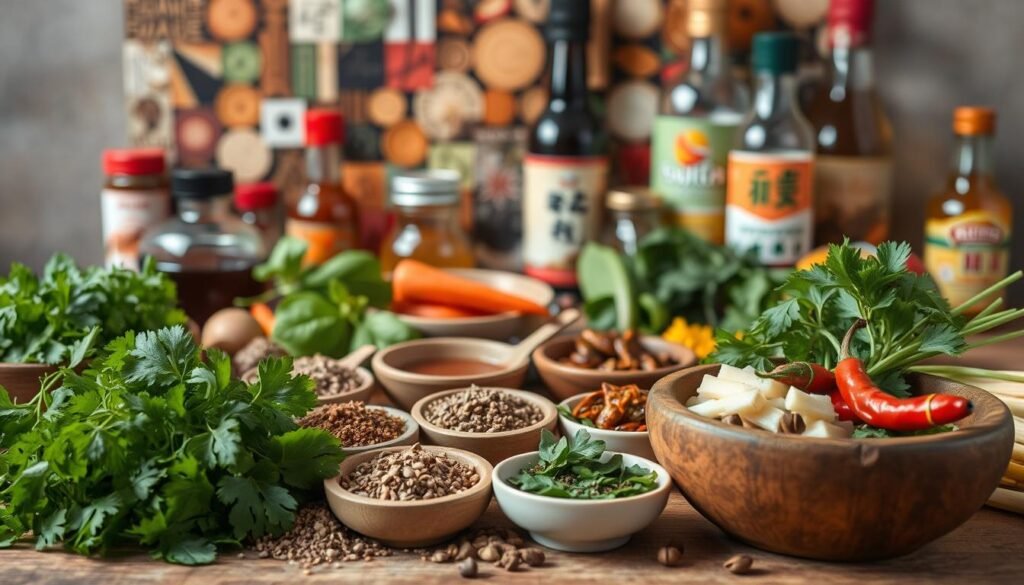
The world’s diverse culinary traditions offer endless inspiration for creating flavorful marinades in your own kitchen. Each region developed unique combinations that reflect local ingredients and cooking styles.
Mediterranean and Asian Influences
Mediterranean recipes often feature olive oil with lemon juice and aromatic herbs. These bright, zesty flavors work beautifully with chicken and fish.
You’ll find wine and yogurt in many Mediterranean marinades. The yogurt provides gentle tenderizing while adding creamy texture.
Asian-inspired creations rely heavily on soy sauce as a foundation. This versatile sauce creates rich umami profiles when combined with ginger and sesame oil.
American Barbecue Marinade Traditions
American barbecue brings bold, sweet-and-tangy flavors to your grilling experience. These marinades often feature brown sugar and smoked paprika.
You can create complex layers by balancing sweet, spicy, and acidic elements. The right blend of spices and herbs makes each barbecue unique.
Regional variations showcase different approaches to the same basic ingredients. Each culture teaches valuable lessons about balancing flavors effectively.
Marinade Science: The Chemical Perspective
What really happens at the molecular level when you marinate your favorite cuts? The transformation goes beyond simple flavor absorption. It involves complex interactions between your ingredients and the meat’s structure.
Understanding Protein Denaturation
When acids from citrus or vinegar contact your meat, they begin altering proteins. This process unwinds the tight coils in muscle fibers. The result is more tender cuts meat that retain moisture better during cooking.
pH Levels and Collagen Breakdown
Lowering the pH creates ideal conditions for breaking down tough connective tissues. These tissues contain collagen, a fibrous protein that gives structure to meats. Different cuts like brisket contain more collagen than tenderloin.
| Collagen Type | Found In | Tenderness Level | Best Cooking Method |
|---|---|---|---|
| Type I | Brisket, Chuck Roast | Very Tough | Slow Braising |
| Type III | Tenderloin, Chicken Breast | Naturally Tender | Quick Grilling |
The Role of Enzymes in Tenderizing
Enzymes from pineapple or papaya work differently than acids. They specifically target protein bonds in tough fibers. This enzymatic process creates exceptionally tender results.
Understanding these chemical principles helps you choose the right approach for different meats. Tough cuts benefit from enzymatic or acidic treatments, while delicate proteins need gentler methods.
Marinating Vegetables vs Meat: Key Differences
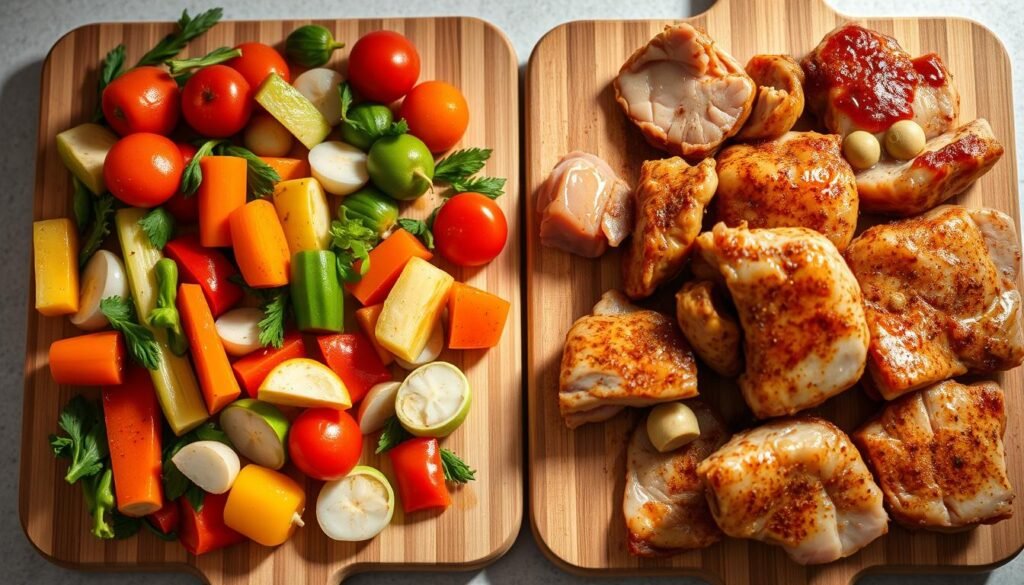
The approach to marinating shifts dramatically when you move from the garden to the butcher. Your goals and techniques need to adapt to the unique structure of each ingredient.
Understanding these distinctions is the secret to achieving perfect results every time.
Flavor Infusion in Vegetables
Vegetables lack muscle fibers and connective tissue. Your goal is purely about flavor infusion and texture enhancement. A brief 15 to 30-minute soak is often all you need.
This short time allows the marinade to coat the surface and be absorbed. It helps your vegetables retain moisture during cooking. This prevents them from drying out on the grill.
Focus on bold combinations like balsamic vinegar, garlic, and herbs. These add a rich, complex taste profile to mushrooms, zucchini, and bell peppers.
Tenderizing Meat with Marinades
With meat, the process is different. Your marinade works to break down tough muscle fibers and connective tissues. This tenderizing effect is crucial for tougher cuts meat.
The flavor impact, however, is mostly on the surface. It only penetrates a few millimeters deep. To maximize this, choose cuts with more surface area.
Thin steaks, chicken thighs, or sliced meats work best. They give the marinade more area to work on. This leads to better flavor distribution and tenderness.
Adjust your timing based on the cut. Delicate fish needs minutes, while a tough beef roast can benefit from hours.
Common Marinade Mistakes to Avoid
Even the most flavorful marinade can lead to disappointing results if you fall into common preparation traps. Knowing what to watch for ensures your efforts always pay off with juicy, tender meat.
Over-Marinating and Texture Pitfalls
One of the biggest errors is leaving your meat in the marinade for too long. While acids start by tenderizing, prolonged exposure can have the opposite effect.
Proteins on the surface can tighten up again, creating a tough, mushy texture. Delicate items like fish need only 15-30 minutes. Tougher cuts have a longer ideal time.
Careful marinating time is the key to harnessing benefits without compromising quality. Always pat your meat dry before cooking for a perfect sear, not steam.
Choosing the Wrong Containers or Temperatures
Your container choice matters greatly. Avoid aluminum bowls, as the metal reacts with acidic ingredients. This can give your food a metallic taste.
Stick with glass, stainless steel, or food-safe plastic for safe marinating. Another critical rule is temperature control.
Never leave your marinade and meat out at room temperature for extended periods. This creates a food safety risk. Always keep everything refrigerated until you’re ready to cook.
Also, avoid reusing a marinade that touched raw meat unless you boil it first to kill any bacteria. These simple steps keep your meal safe and delicious.
Tools and Techniques for Effective Marinating
Having the right gear in your kitchen can turn the marinating process from a chore into a creative and efficient joy. The correct tools ensure your flavorful mixtures work their magic evenly and safely.
They help you achieve that perfect balance of tenderness and taste in your cooking every time.
Essential Kitchen Tools
Start with non-reactive containers. Glass or stainless steel bowls are perfect. They won’t interact with acidic ingredients like vinegar or lemon juice.
Resealable plastic or silicone bags are your best friend for this task. They allow you to coat every surface of your meat evenly. This method also saves space in your refrigerator.
For blending oil with acids, a whisk or immersion blender creates a smooth, emulsified mixture. A vacuum sealer speeds up flavor absorption dramatically. It forces the liquid into closer contact with your food.
Leveraging Modern Appliances
Appliances like the CHEF iQ Smart Cooker bring precision to your cooking. Its exact temperature control is crucial. It preserves the tenderness you worked hard to achieve during marination.
The cooker’s design maximizes flavor infusion from your preparation. Your meat absorbs more of the rich tastes, resulting in a more complex final dish.
This versatile equipment adapts to various mixtures, from acidic to dairy-based. It delivers consistent, delicious results with wonderful efficiency.
| Tool | Primary Use | Key Benefit |
|---|---|---|
| Glass Mixing Bowl | Mixing & Marinating | Non-reactive, safe for acids |
| Silicone Bag | Containing & Coating | Even coverage, space-saving |
| Vacuum Sealer | Rapid Flavor Infusion | Forces marinade into meat |
| Immersion Blender | Emulsifying | Creates smooth, even mixtures |
| Smart Cooker | Precision Cooking | Preserves tenderness & flavor |
Marinade Time and Temperature Guidelines
Timing is everything when it comes to achieving perfect tenderness and flavor through marination. Getting your marinating time right is crucial for success. Different types of meat require vastly different durations.
Recommended Marinating Durations for Various Meats
For chicken, you’ll want to marinate anywhere from 30 minutes to 12 hours. Boneless breasts need less time, while bone-in pieces can handle longer soaking.
Beef cuts vary widely in their requirements. Tender steak like ribeye needs just 2-4 hours. Tougher cuts like skirt steak benefit from the full 24 hours to break down dense fibers.
When working with pork, aim for 4-12 hours as your sweet spot. Fish and seafood are delicate. They require the shortest time of just 15-30 minutes.
| Protein Type | Minimum Time | Maximum Time | Ideal Range |
|---|---|---|---|
| Chicken Breast | 30 minutes | 12 hours | 2-4 hours |
| Beef Steak | 2 hours | 24 hours | 4-6 hours |
| Pork Chops | 4 hours | 12 hours | 6-8 hours |
| Fish Fillets | 15 minutes | 30 minutes | 20 minutes |
Optimal Temperature Control Tips
Temperature control is just as important as time. Always marinate in the refrigerator to keep your meat safely below 40°F. Take it out only 20-30 minutes before cooking to take the chill off.
Setting a timer ensures you don’t forget about your meats in the fridge. Even extra hours can negatively impact texture with acidic mixtures.
For grilling, maintaining consistent heat during the actual cooking process is essential. This preserves the tenderness you worked hard to achieve. Your careful preparation pays off with juicy, flavorful results.
Maximizing Flavor: Combining Herbs, Spices, and More
Your spice cabinet holds the secret to creating unforgettable marinades. The real art lies in how you combine different flavor components. When balanced correctly, they create layers that complement rather than compete.
Balancing Bold Flavors and Subtle Accents
Fresh herbs like rosemary and basil add bright, aromatic notes. They penetrate the meat’s surface beautifully. Powerful spices such as cumin and paprika provide warmth and depth.
These elements balance the sharpness from acidic ingredients like vinegar. The key is pairing strong components with mellowing agents. This creates harmonious flavors that transform simple dishes.
Using Sweeteners, Oils, and Aromatics
Oil acts as a crucial carrier for fat-soluble compounds from your herbs and spices. It helps these flavors penetrate more effectively. Sweeteners like honey or brown sugar do more than add sweetness.
They balance acidity and promote beautiful caramelization. Salty elements like soy sauce contribute rich umami depth. When you layer these components thoughtfully, you achieve mastering marinades techniques that create memorable, crowd-pleasing results.
Conclusion
This journey through marinade fundamentals has equipped you with powerful kitchen wisdom. You now understand how these mixtures work at a deeper level.
This knowledge transforms your approach to cooking. You can move beyond following recipes and start creating your own custom blends. The right balance of acid, oil, and seasonings makes all the difference.
Remember that successful marinating combines both art and science. The principles give you guidelines for timing and ingredients. Your creativity brings the unique flavor combinations to life.
Whether working with delicate fish or tough meat cuts, these techniques ensure juicy, tender results. You’re continuing a rich culinary tradition while applying modern understanding.
Your next meal will showcase how these principles create extraordinary dishes from simple ingredients. Enjoy the confidence that comes with mastering this essential cooking skill.
FAQ
How does a marinade actually work?
A marinade works by using ingredients like acids and salt to interact with your food. Acidic components, such as lemon juice or vinegar, gently break down the surface proteins on meat, allowing flavors to soak in. Salt helps draw out moisture, which then gets reabsorbed along with the tasty seasonings. This process enhances both flavor and tenderness.
What’s the difference between marinating meat and vegetables?
The main difference lies in the goal. When you marinate meat, you’re often trying to tenderize it by breaking down tough muscle fibers and connective tissues. For vegetables, you’re primarily infusing flavor since they don’t have the same proteins to break down. Vegetables like zucchini or bell peppers absorb marinades quickly, so they need much less time than a cut like skirt steak.
Can I marinate food for too long?
Absolutely. Over-marinating, especially with strong acids or enzymes from pineapple or papaya, can make meat mushy. The acids denature proteins so much that the texture becomes unpleasant. For most cuts, a few hours is perfect, while delicate proteins like fish or chicken might only need 30 minutes. Always follow time guidelines for the best results.
What are the key ingredients I need for a basic marinade?
A great basic marinade has three key parts: an acid (like vinegar or wine), an oil (such as olive oil), and your seasonings (herbs, spices, salt, and maybe a little sugar). The oil helps carry fat-soluble flavors and keeps the meat moist, while the acid and salt do the heavy lifting for flavor and tenderness.
Why do some recipes include yogurt or buttermilk?
Yogurt and buttermilk are fantastic marinade ingredients because they are mildly acidic and contain enzymes that help tenderize meat gently. They create a creamy base that clings well to the surface, perfect for dishes like tandoori chicken. They impart a tangy flavor without the risk of over-tenderizing that stronger acids pose.
What’s the best container to use for marinating?
Use a non-reactive container like glass, ceramic, or a sturdy plastic zip-top bag. Avoid metal bowls, as the acid in your marinade can react with it and give your food an off-flavor. A zip-top bag is excellent because you can squeeze out the air, ensuring the marinade coats every inch of your meat or vegetables evenly.
How can I make sure my marinade flavors are balanced?
Start with a good ratio of oil to acid—a common starting point is three parts oil to one part acid. Then, balance your salty elements (like soy sauce) with something sweet (a bit of sugar or honey) and aromatic herbs and spices. Always taste your mixture before adding your food to ensure the flavors work well together.